
 Mani
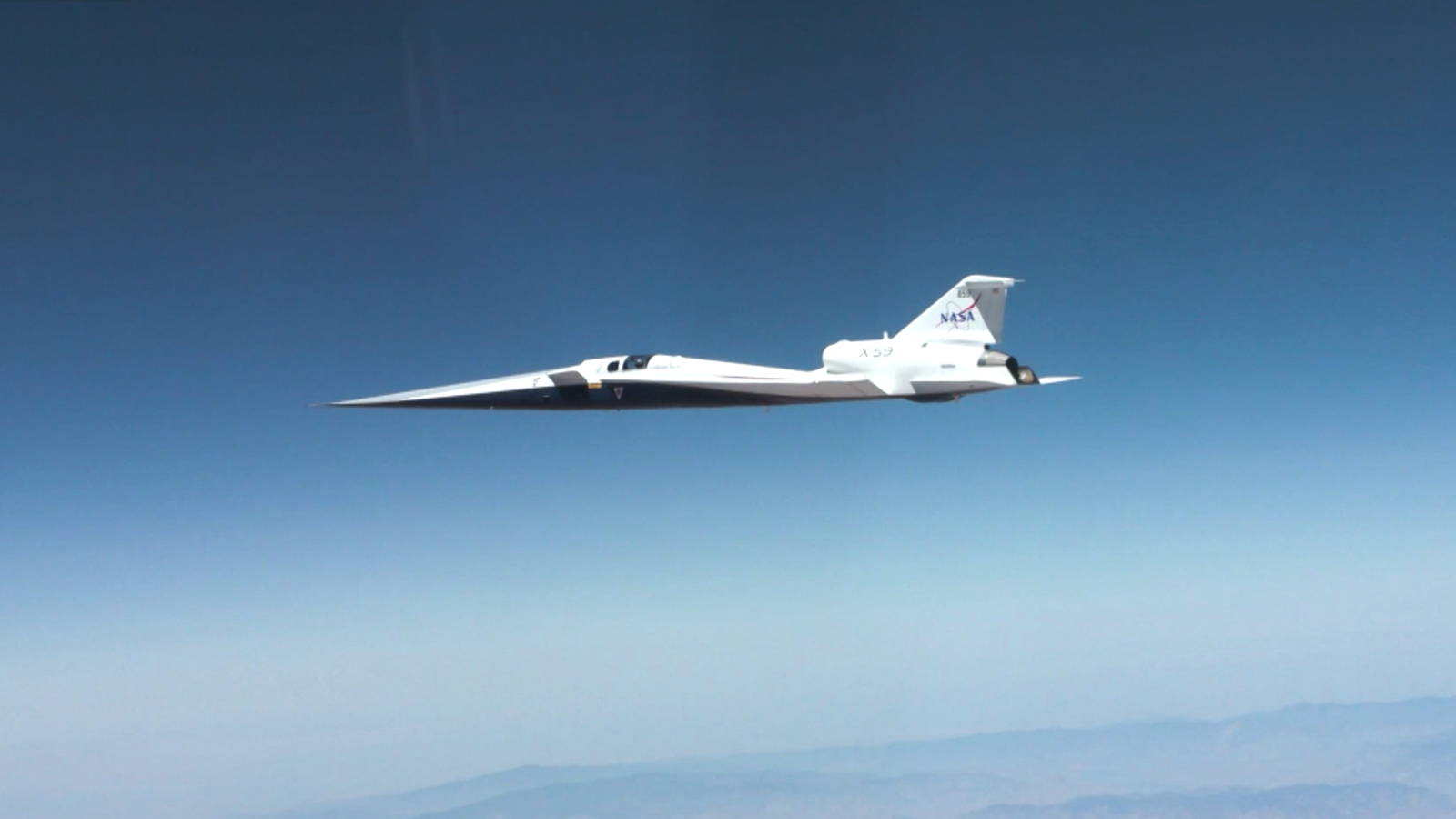
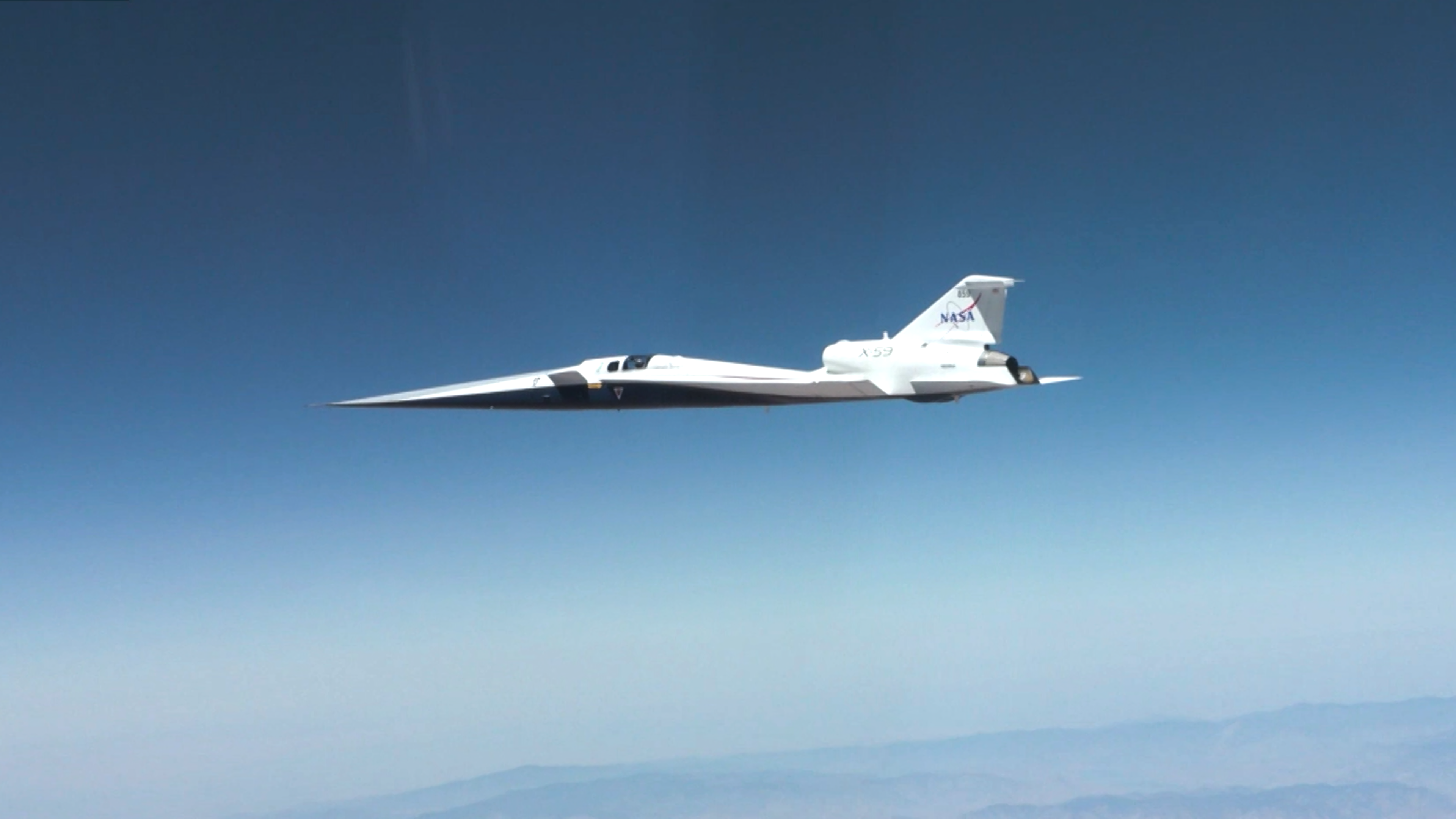
ManiImagine a plane that can break the sound barrier quietly. Sounds like science fiction, right? Well, not anymore. NASA just took a giant leap forward with its X-59 aircraft, a marvel designed to fly faster than the speed of sound—without the deafening boom usually associated with supersonic jets.
On June 5, 2026, this sleek, futuristic-looking aircraft soared into history. It’s not just about breaking records; it’s about transforming how we think of travel and communication. For years, supersonic flights brought excitement but also noise pollution—loud booms loud enough to rattle buildings and disturb communities. NASA’s X-59 aims to change that, paving the way for quieter, faster air travel.
Here’s why it matters. Speed has always been a symbol of progress. Faster planes could mean reaching distant countries in half the time. But beyond convenience, it’s about innovation in safety, efficiency, and even environmentally friendly tech. The lessons learned from the X-59’s quiet supersonic capabilities could lead to cleaner engines, lower fuel consumption, and less noise pollution—benefits that ripple into our daily lives.
And think about this: each flash of progress in experimental aircraft pushes the boundaries of what’s possible. These advancements influence everything—from satellite communications to our smartphones. NASA’s pioneering spirit fuels not just space exploration but innovations here on Earth that improve our quality of life.
So, the X-59 isn’t just another aircraft—it’s a gateway. A glimpse into a future where fast doesn’t mean noisy. Where breakthroughs make travel quicker, safer, and more environmentally friendly. Supersonic dreams are roaring back to life, and NASA’s role in that story might just be the most exciting chapter yet.
For more insights, check out NASA’s update on the aircraft’s groundbreaking flight.
Startups and the Science of Growth
At NASA, we see the culmination of our greatest scientific and engineering achievements. Their missions are a testament to the best of human knowledge and capability.
NASA’s X-59, the quiet supersonic aircraft, showcases incredible technological advancements. Its success teaches entrepreneurs important lessons in innovation and perseverance.
First, adopting cutting-edge technology can give startups a competitive edge. For example, NASA’s focus on reducing sonic booms could inspire companies to develop quieter, faster transportation solutions. Second, the mechanism of incremental testing helps manage risk. Startups can apply this by launching small prototypes before scaling up, ensuring reliability and safety. Third, NASA’s collaborative approach with engineers and scientists demonstrates the power of teamwork. Entrepreneurs should foster diverse collaborations to accelerate innovation. Lastly, NASA’s dedication to pushing boundaries encourages startups to aim for ambitious goals that challenge existing limits.
Looking ahead, the success of the X-59 may reshape global markets by making supersonic travel more accessible and eco-friendly. Its innovations could usher in a new era of rapid, sustainable transportation, boosting economic growth worldwide. This milestone reminds us that bold, scientific pursuits can lead to transformative opportunities outside space exploration. In a future driven by constant innovation, NASA’s achievements could inspire entrepreneurs everywhere to reach for the seemingly impossible.
CIO/CISO Perspective on NASA
This is where technology and human creativity converge to solve problems, both simple and complex. It’s where innovation thrives and possibilities are limitless.
NASA is often the target of criticism for its spending, but this overlooks the vital role they play in scientific research and technological innovation.
Today, NASA’s budget is $19 billion, which is less than half of what it was in the mid-1960s when adjusted for inflation. In today’s dollars, it would be equivalent to $337 billion.
On my website, I make it a point to highlight stories like this to enrich my writing process and bring meaningful narratives to a wider audience. If you found this article engaging, you might enjoy other stories in the Science section or Small Business section.
To check the original story Click here
Stay Up-to-date
Here are some more Space and Science learning resources Learning Resources for Educators.
NASA-V3