
 Mani
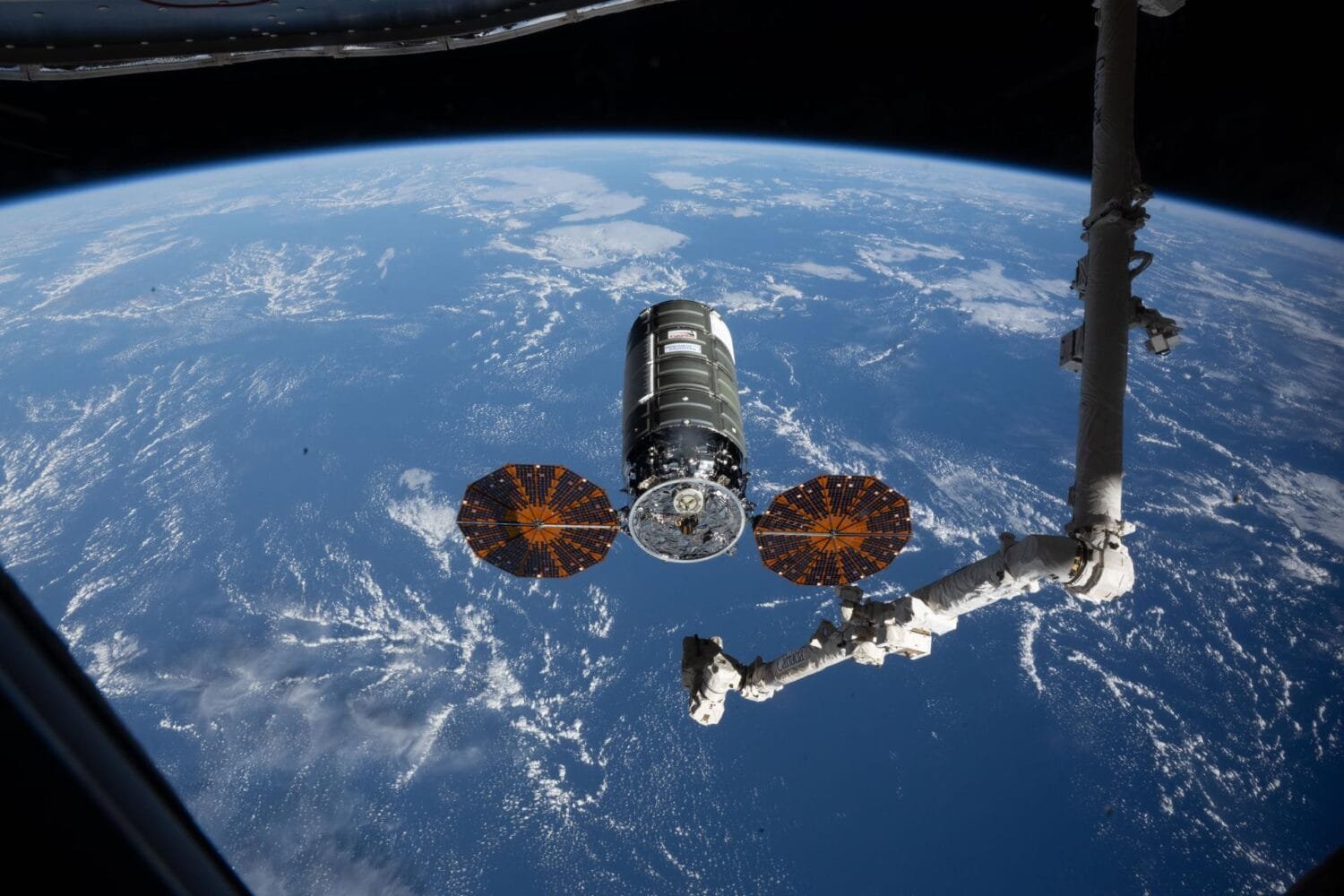
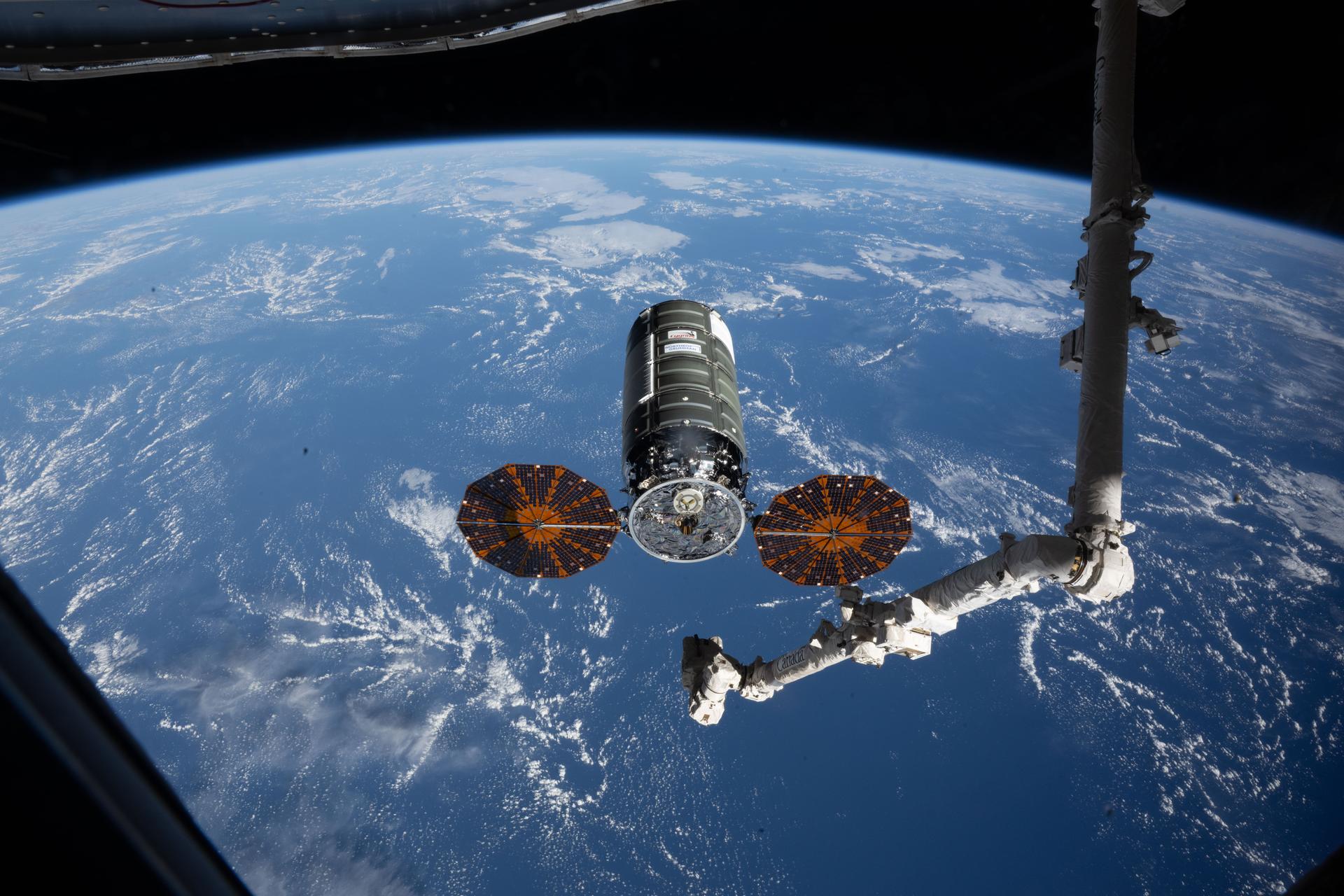
ManiThere is a particular kind of drama in a spacecraft leaving: no roaring launch tower, no white plume—just commands traveling from Earth, motors answering in orbit, and a robotic arm performing a careful celestial handoff. On Friday, Oct. 9, NASA’s live coverage of Northrop Grumman’s CRS-24 departure is scheduled to begin at 12:30 p.m. EDT. At about 12:45 p.m., flight controllers will direct Canadarm2 to detach the Cygnus XL spacecraft from the Unity module’s Earth-facing port and maneuver it into release position. The significance is easy to underestimate. Cygnus arrived carrying more than 11,000 pounds of supplies, scientific experiments, and other cargo—a small freight train, in effect, delivered to a laboratory orbiting hundreds of miles above Earth.
And that laboratory is the real headline. Every resupply mission keeps the International Space Station functioning, but it also keeps an unusual engine of discovery running: experiments in microgravity that can reveal how materials, biological systems, and physical processes behave when gravity’s familiar tug is reduced. Not every result becomes a household technology, and progress is rarely cinematic. Still, this steady choreography—commercial spacecraft, NASA flight controllers, astronauts, robotic machinery—builds the knowledge base behind better tools, safer systems, and potentially improved health and quality of life on Earth. Watch the departure at NASA’s live page, nasa.gov/live. It is logistics, yes. Yet viewed closely, it is exploration in its most useful form: curiosity converted into capability, one precise orbital maneuver at a time.
NASA missions are the embodiment of human progress and achievement. They showcase the heights of engineering, computer science, and innovation.
Lessons for Entrepreneurs from NASA’s CRS-24 Departure
The Northrop Grumman CRS-24 mission demonstrates how complex systems can become reliable through careful design, collaboration, and repetition. Cygnus XL delivered more than 11,000 pounds of cargo to the International Space Station before ground teams guided its release with the Canadarm2 robotic arm. This process resembles a high-stakes business operation: many partners, precise timing, remote control, and strict safety standards must work together.
Startups can apply these principles in several ways:
- Build modular products.
Cygnus operates as part of a larger space-station system. Startups can design products with interchangeable parts, APIs, or subscription modules. This makes upgrades easier and reduces development costs. - Use remote operations and automation.
Ground controllers manage spacecraft activity from Earth. Businesses can adopt cloud dashboards, artificial intelligence, and automated workflows to monitor equipment, logistics, or customer activity without constant physical intervention. - Turn missions into repeatable systems.
NASA and Northrop Grumman rely on checklists, testing, and post-mission analysis. Growth teams can document successful campaigns, measure results, and create repeatable processes instead of depending on individual talent. - Create partnerships around difficult problems.
The mission combines NASA infrastructure, Northrop Grumman engineering, robotic systems, and commercial logistics. Startups can grow faster by partnering with universities, manufacturers, government agencies, and specialized technology firms.
CRS-24 also points toward a larger economic shift. Space missions are becoming platforms for commercial services rather than isolated government projects. In the future, companies may compete to provide orbital transportation, in-space manufacturing, scientific data, and robotic maintenance. This could create new supply chains, skilled jobs, and investment markets. The departure of Cygnus is therefore more than a spacecraft maneuver. It is a practical demonstration that disciplined innovation, commercial partnerships, and reusable operating models can expand the global economy beyond Earth.
CIO/CISO Perspective on NASA
NASA isn’t just a representation of the best of the United States, it embodies our best aspirations as a species. It’s where we push the boundaries of what we thought was possible, and inspire generations to come.
Despite common misconceptions, NASA is anything but a frivolous expense. They continue to make groundbreaking discoveries and push the boundaries of what’s possible.
NASA’s annual budget is a tiny fraction of the federal government’s overall spending, representing less than one percent of the total.
On my website, I make it a point to highlight stories like this to enrich my writing process and bring meaningful narratives to a wider audience. If you found this article engaging, you might enjoy other stories in the Science section or Small Business section.
To check the original story Click here
Learn Something New
Stay informed on the latest NASA and space news at Space.com.
NASA-V3