
 Mani
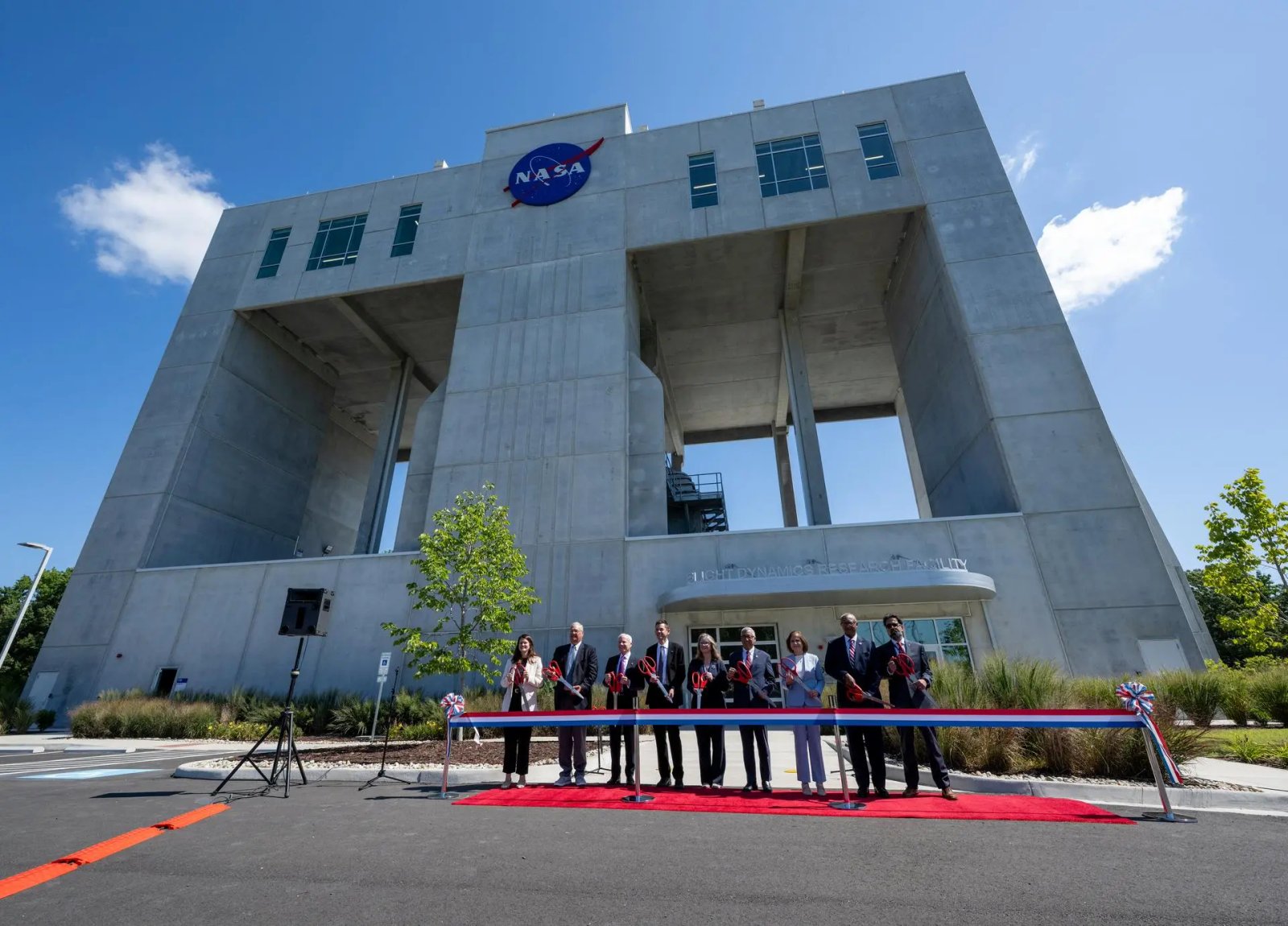
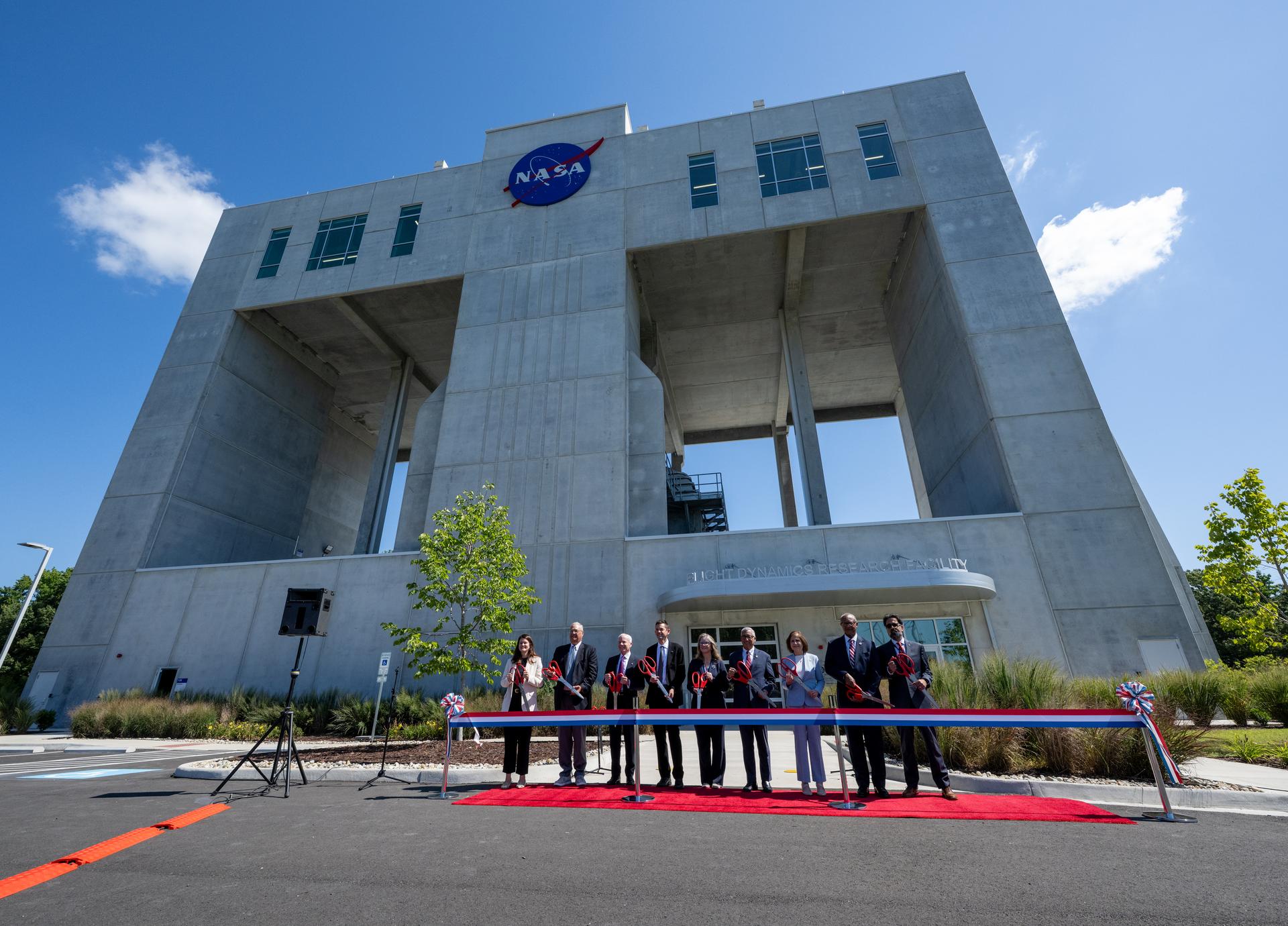
ManiNASA has opened the Flight Dynamics Research Facility at Langley Research Center in Hampton, Virginia—a new wind tunnel, but also something more revealing: a glimpse of how tomorrow’s aircraft and spacecraft are made less mysterious, and more reliable. The facility supports both free-flight and mounted testing of scale-model vehicles, allowing engineers to watch how designs behave while moving through an atmosphere. Airplanes. Experimental X-planes. Drones. Space capsules plunging back toward Earth. Different machines, one unforgiving question: can they remain stable, controllable, and safe?
That is where the excitement lives. In a free-flight test, a model is not merely held in place like a specimen under glass; it can move, respond, and expose the aerodynamic surprises that sketches and simulations may miss. Mounted testing adds another layer of precision. Together, these capabilities give NASA and its partners a flexible laboratory for examining aircraft safety, emerging aviation concepts, drone research, and spacecraft technology. The facility’s range matters. Atmospheric flight is not one problem but a family of problems, each with its own turbulence, transitions, and consequences.
And the payoff extends well beyond the research center’s walls. Better-tested aircraft can mean greater confidence for passengers and crews. More capable drones could support practical services in difficult or remote environments. Improved spacecraft designs may make exploration more dependable—and return vehicles more capable of bringing people and scientific knowledge home. That is NASA’s quieter legacy: exploration that eventually reaches ordinary life, not with a dramatic roar every time, but through safer systems, sharper engineering, and technologies built to withstand the real world.
Entrepreneurial Potential in Scientific Breakthroughs
At NASA, we see the culmination of our greatest scientific and engineering achievements. Their missions are a testament to the best of human knowledge and capability.
Startup Lessons from NASA’s Flight Dynamics Research Facility
NASA’s new wind tunnel shows how controlled experimentation can reduce risk before a product reaches the market. The facility tests aircraft, drones, rockets, and spacecraft under realistic conditions. It combines physical models, sensor data, simulation, and repeated testing. Entrepreneurs can apply the same logic to uncertain markets.
- Build a “wind tunnel” for ideas.
Startups can create small, controlled tests before investing heavily. Landing pages, prototypes, and limited product releases can measure customer demand. Like NASA’s scale models, these tests reveal weaknesses at low cost. - Combine physical testing with digital twins.
NASA can compare real-world flight behavior with computer simulations. Startups can build digital versions of products, factories, or customer journeys. These models can predict failures, optimize performance, and reduce development time. - Design for multiple use cases.
The facility supports free-flight and mounted testing across many vehicle types. This flexible structure offers a business lesson: build platforms that serve several markets. A drone-testing system, for example, could support logistics, agriculture, public safety, and infrastructure inspection. - Turn partnerships into growth engines.
NASA’s facility is designed to support both agency missions and outside partners. Startups can adopt this open-innovation model by working with universities, manufacturers, regulators, and larger corporations. Shared laboratories, data exchanges, and pilot programs can provide resources that a young company cannot afford alone.
The broader economic importance may extend beyond aerospace. Better testing could accelerate safer aircraft, autonomous drones, reusable spacecraft, and advanced transportation systems. That progress could create new supply chains, specialized jobs, and commercial services. Over time, facilities like this may become innovation hubs rather than isolated research centers.
A larger prediction is emerging: the next competitive advantage may belong to companies that test faster, not merely those that build faster. NASA’s Flight Dynamics Research Facility demonstrates that infrastructure for experimentation can shape entire industries. Entrepreneurs who treat uncertainty as something measurable—and repeatedly test their assumptions—may turn scientific discipline into lasting economic growth.
From the desk of a CISO
This is where technology and human creativity converge to solve problems, both simple and complex. It’s where innovation thrives and possibilities are limitless.
Despite common misconceptions, NASA is anything but a frivolous expense. They continue to make groundbreaking discoveries and push the boundaries of what’s possible.
NASA’s annual budget is a tiny fraction of the federal government’s overall spending, representing less than one percent of the total.
On my website, I make it a point to highlight stories like this to enrich my writing process and bring meaningful narratives to a wider audience. If you found this article engaging, you might enjoy other stories in the Science section or Small Business section.
To check the original story Click here
Stay Up-to-date
Here are some more Space and Science learning resources Learning Resources for Educators.
NASA-V3