
 Mani
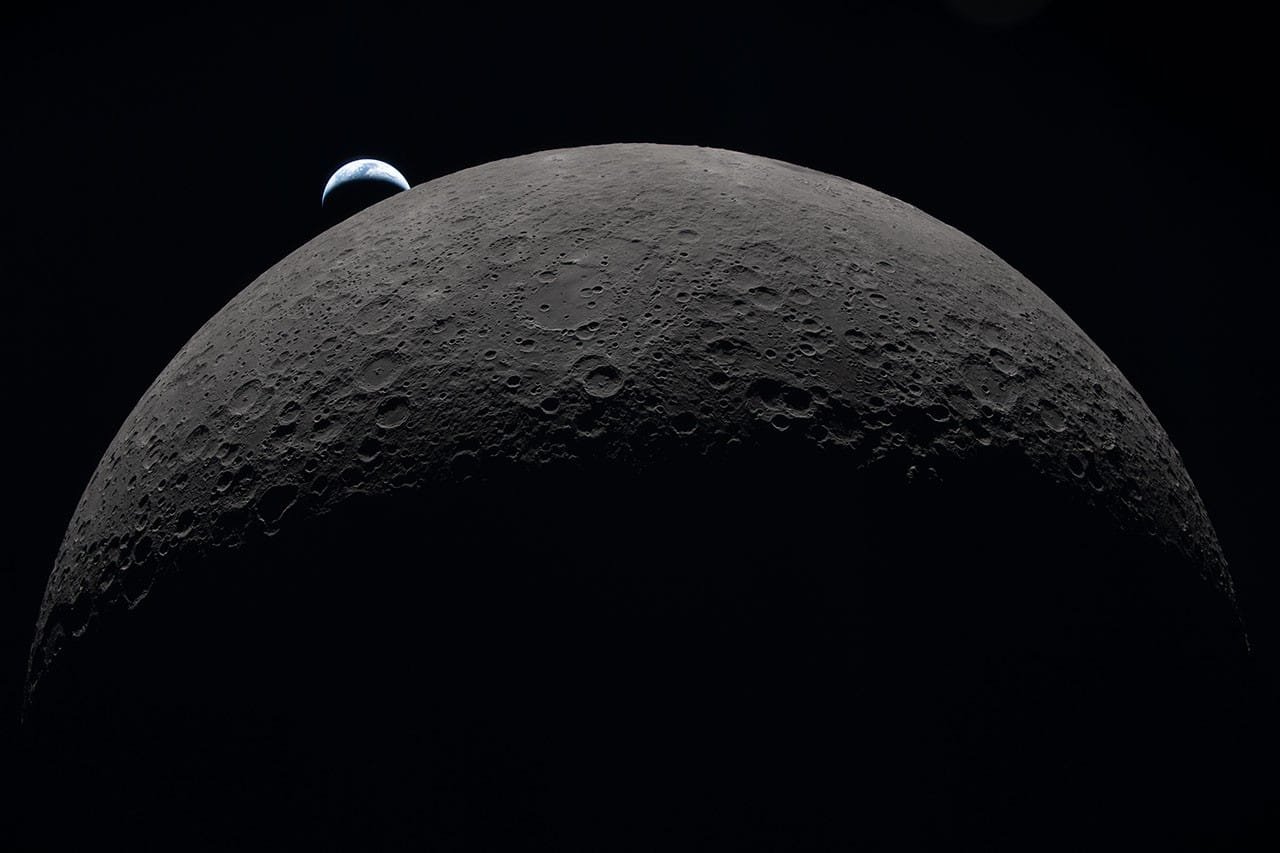
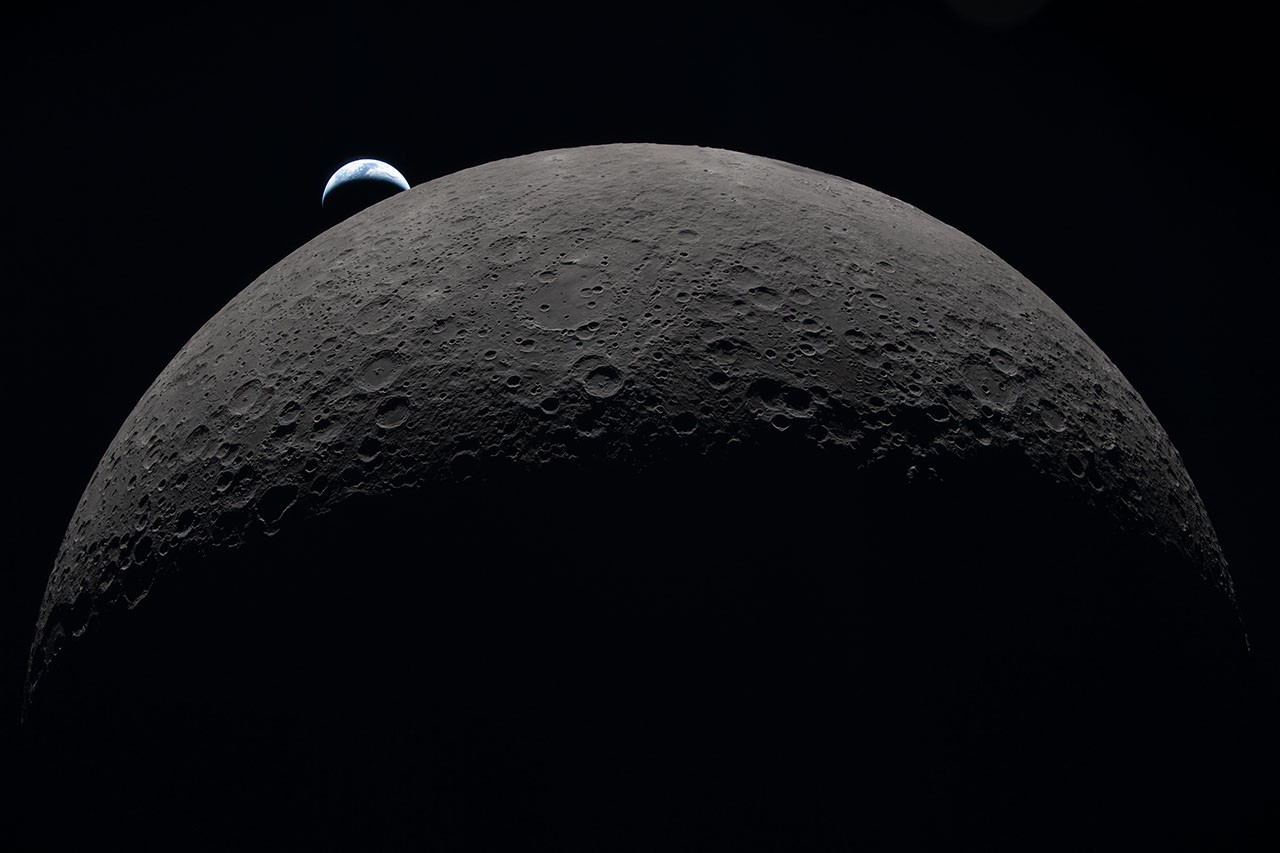
ManiThe Moon has acquired a fresh scar—and NASA’s Lunar Reconnaissance Orbiter (LRO) was there to document it. On Aug. 5, a SpaceX Falcon 9 upper stage struck the lunar surface after its January 2025 launch of Firefly’s Blue Ghost 1 mission. Six days later, between Aug. 11 and 12, LRO’s cameras finally caught the new crater. “Finally” matters here: the spacecraft races around the Moon every two hours, traveling roughly 1 mile per second at an altitude of about 60 miles, yet the target had to wait for the Moon’s slow rotation to bring it into view. Engineers then tilted the orbiter with exquisite precision—an orbital choreography of timing, geometry, and nerve.
That is the excitement: a machine humans launched into space has become an accidental experiment in lunar geology. Before-and-after images can help scientists distinguish the impact’s effects from the Moon’s ancient, relentlessly battered terrain, while also sharpening our understanding of how discarded spacecraft behave when they meet another world. The crater is small in cosmic terms, but scientifically loud. It turns a routine piece of mission hardware into evidence. And the relevance reaches beyond one dramatic photograph. LRO’s detailed maps and observations support safer landing-site selection, hazard assessment, and planning for future robotic and human exploration. Those capabilities can improve navigation, communications, imaging, and autonomous systems—the quiet infrastructure behind life on Earth, from disaster response to precision mapping. Space exploration often arrives as spectacle. Its deeper value is more practical: better knowledge, better tools, and fewer surprises on worlds we may one day depend on.
NASA missions are the embodiment of human progress and achievement. They showcase the heights of engineering, computer science, and innovation.
Lessons for Entrepreneurs and Startups
NASA’s Lunar Reconnaissance Orbiter (LRO) shows how precision, patience, and adaptive engineering create value. Engineers tilted the spacecraft at the right moment, while accounting for its speed, altitude, orbit, and the Moon’s rotation. The team also used existing infrastructure to study an unexpected event: the Falcon 9 upper-stage impact. This approach offers practical lessons for young companies.
- Build flexible technology.
Startups should design products that can serve new purposes. LRO was built for lunar observation, yet its cameras and maneuvering systems also documented a fresh crater. Flexible platforms can reduce development costs and reveal new markets. - Turn timing into a competitive advantage.
LRO had to wait six days for the impact site to enter view. Businesses can similarly use data, customer behavior, and market cycles to choose the right moment for action. Patience, supported by analytics, can outperform speed without direction. - Create high-precision operating systems.
The mission depended on accurate navigation and coordinated hardware. Startups can apply the same principle through automated logistics, satellite data, robotics, and real-time monitoring. Small improvements in accuracy can produce major savings at scale. - Convert unusual events into useful data.
The crater provides evidence about lunar soil, impact behavior, and future mission risks. Growth-focused companies should treat failures, accidents, and unexpected customer actions as research opportunities. A strong feedback loop can turn disruption into innovation.
The event also highlights an emerging commercial market. As lunar missions increase, companies may provide orbital mapping, impact monitoring, debris tracking, and surface-risk analysis. These services could support mining, communications, insurance, and construction beyond Earth.
Over the next decade, lunar data may become an economic asset similar to weather or navigation data on Earth. Companies that establish reliable standards for space safety could gain influence over a growing lunar economy. The Falcon 9 crater may therefore represent more than an impact site. It could become an early data point in a global system for managing traffic, risk, and property beyond Earth.
From the desk of Mani
Despite all constraints, challenges, and difficulties, NASA represents humanity’s ability to rise above our differences and solve our greatest challenges. It’s a symbol of our collective potential.
NASA is often the target of criticism for its spending, but this overlooks the vital role they play in scientific research and technological innovation.
NASA’s annual budget is a tiny fraction of the federal government’s overall spending, representing less than one percent of the total.
I strive to share stories like this one to inspire and inform my readers. If you enjoyed this piece, I encourage you to explore more in the Cybersecurity section or Small Business section.
To check the original story Click here
Expand Your Horizons
Here are some more Space and Science learning resources Learning Resources for Educators.
NASA-V3