
 Mani
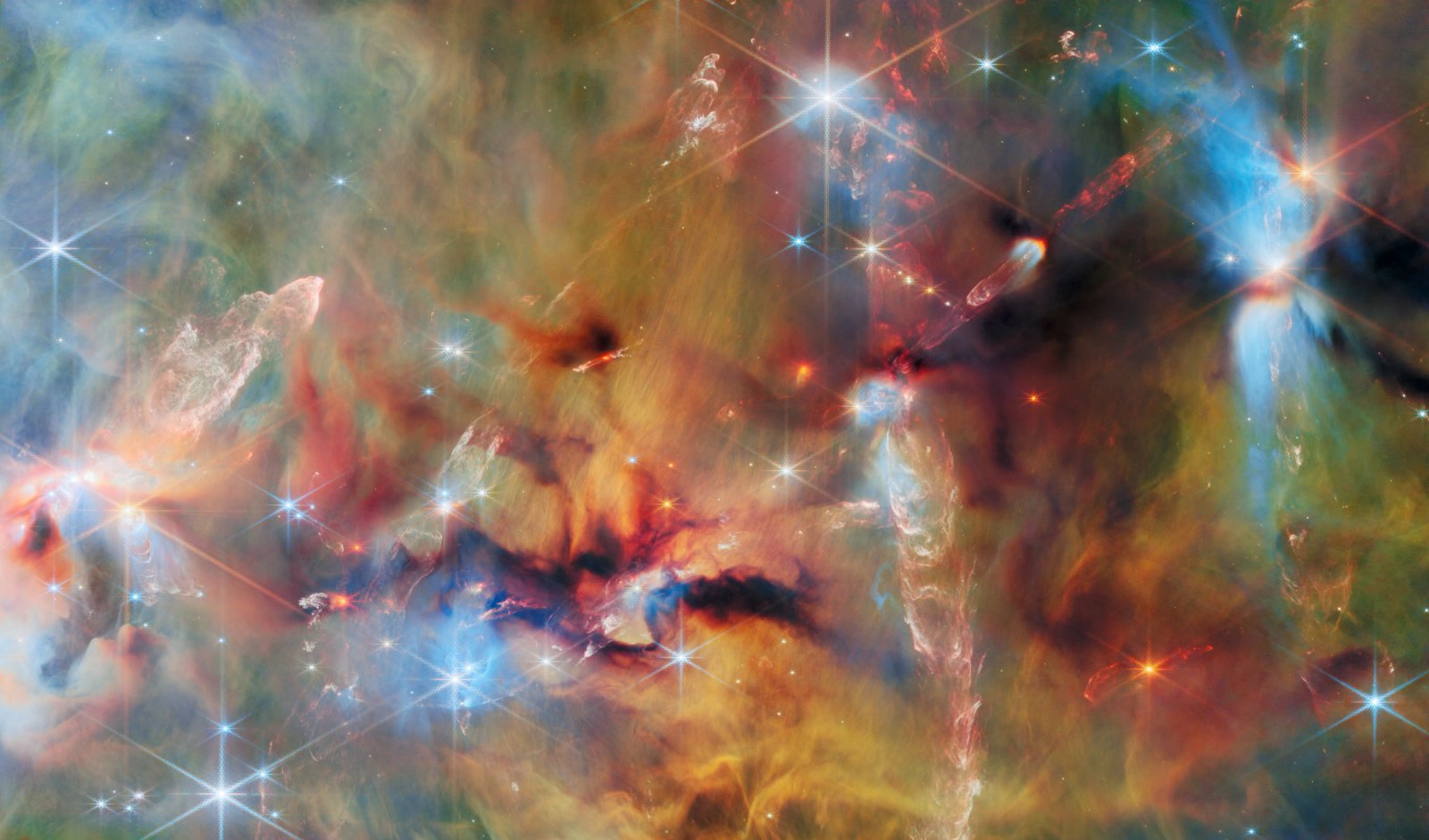
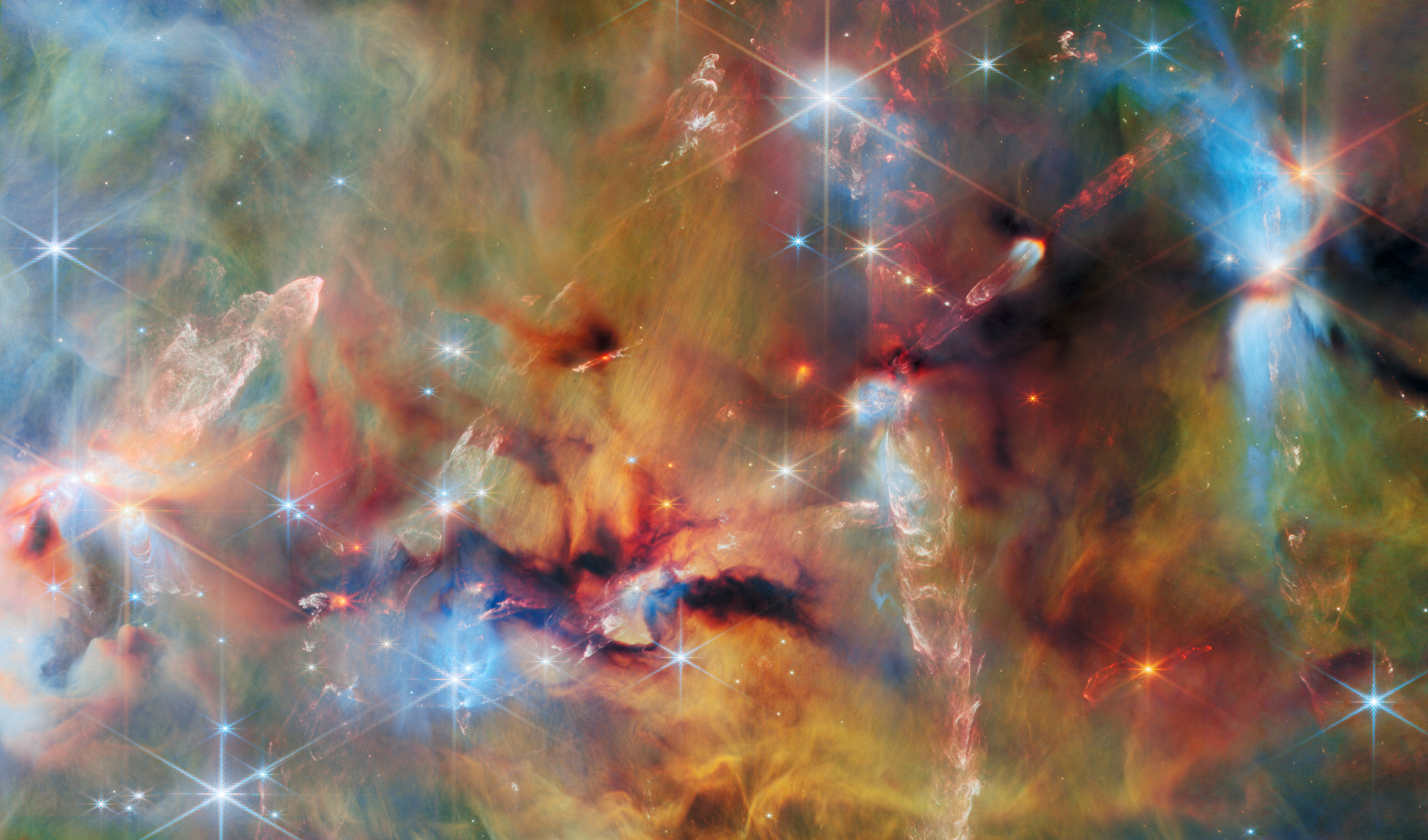
ManiImagine looking up at the night sky, eyeing those shimmering stars. Have you ever wondered how they got there? How vast clouds of dust and gas in space turn into luminous, life-giving stars? Well, NASA’s explorations, especially with marvels like the James Webb Space Telescope, are peeling back those cosmic curtains, revealing the fascinating stages of star formation.
When the core becomes hot enough—around 10 million degrees Celsius—nuclear fusion kicks in. Hydrogen atoms fuse into helium, releasing energy—light, heat, the spark of life itself. Suddenly, what was just dust and gas becomes a shining star. It’s no longer just a cloud; it’s a new celestial body, ready to light up parts of the universe.
Now, why does all of this matter for us? NASA’s artful eyes—these telescopes—are doing more than just peering into the vast cosmos. They’re helping us understand the very origins of stars, planets, and even ourselves. Their findings influence everyday life—improving technology, advancing materials, pushing the boundaries of what’s possible. Every breakthrough in space prompts innovations here on Earth, from better weather models to medical technologies.
So next time you look at the night sky, pause a moment. Think about the incredible journey of star formation—born from clouds, forged by gravity, ignited by nuclear fusion. Thanks to NASA’s relentless exploration, we’re not just stargazers; we’re part of a cosmic story that continues to deepen, shape, and inspire the way we live.
Entrepreneurial Potential in Scientific Breakthroughs
NASA’s work represents the ultimate expression of our generation’s abilities in mathematics, science, and engineering. Their achievements will continue to inspire future generations for years to come.
NASA’s study of star formation reveals how complex processes come together to create new stars. This process involves stages like collapsing clouds, glowing protostars, and finally mature stars. These mechanisms show the importance of patience, innovation, and precise timing. Startups can learn a lot from this natural blueprint.
First, NASA’s technology demonstrates the power of advanced imaging and data analysis. Startups can adopt high-resolution data tools to better understand their markets and customer needs. Being able to see detailed patterns helps in making smart decisions faster.
Second, the gradual process of star formation highlights the value of iterative growth. Just as stars grow from small clouds into shining bodies, startups can refine products step-by-step. Regular testing and feedback loops lead to stronger, more valuable offerings.
Third, NASA’s use of collaboration bridges borders and expertise. For startups, forming partnerships and sharing knowledge accelerates innovation. Working with others unlocks new ideas and reduces risks.
Finally, NASA’s approach shows patience is key. Star formation takes time, but persistence pays off. Startups should build resilience, knowing that breakthrough moments often come after steady effort.
In the future, studying how stars develop could inspire smarter growth strategies worldwide. If businesses adopt NASA’s principles, the global economy could become more innovative and resilient. As we learn from the stars, we might just find new paths to collective success and technological progress.
From the desk of Mani
This is where technology and human creativity converge to solve problems, both simple and complex. It’s where innovation thrives and possibilities are limitless.
Despite common misconceptions, NASA is anything but a frivolous expense. They continue to make groundbreaking discoveries and push the boundaries of what’s possible.
NASA’s current budget is around $19 billion, which may sound like a lot, but when adjusted for inflation, it’s just a fraction of what it was in the mid-1960s.
To check the original story Click here
Learn Something New
Here are some more Space and Science learning resources Learning Resources for Educators.
NASA-V3