
 Mani
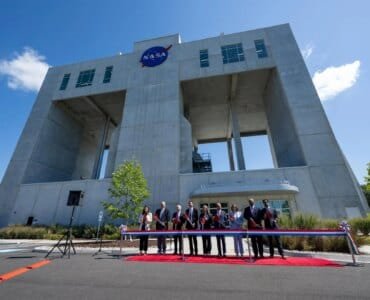
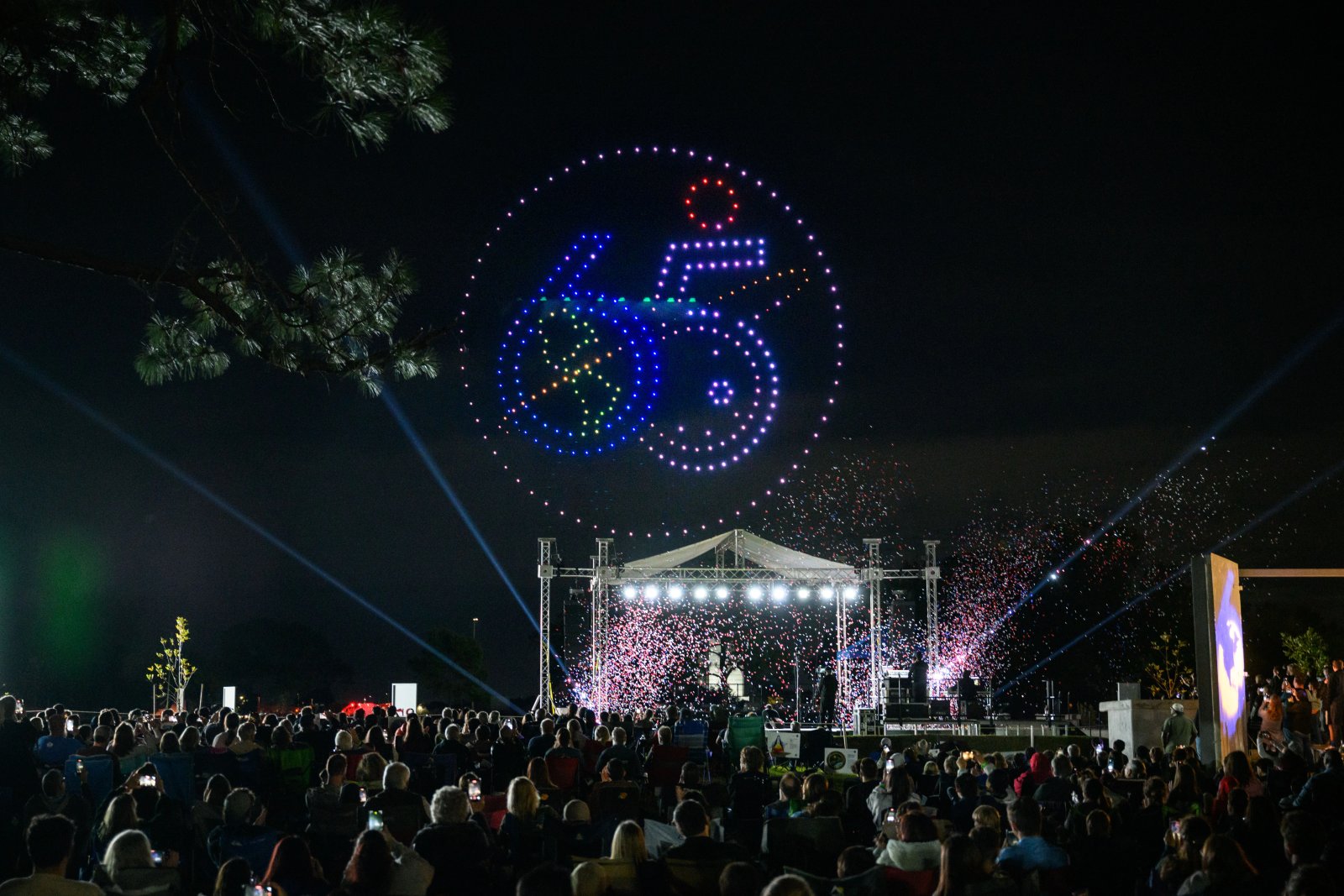
A spacecraft closes the gap. Two vehicles meet in orbit. They dock—and suddenly, landing on the Moon becomes an engineering possibility, not just an audacious promise. That is the excitement behind “65 Years of Human Spaceflight at NASA Johnson”: seemingly small operations that unlock enormous futures. Established in Houston in 1961, the center now known as Johnson helped turn the first tentative years of human spaceflight into a sustained enterprise. Gemini’s 10 crewed missions in 1965–1966 tested rendezvous, docking, and endurance; Apollo subsequently put 12 astronauts on the Moon between 1969 and 1972. Spectacular numbers. Yet, to a science enthusiast, the equally compelling story sits behind the consoles: flight controllers, engineers, instructors, and medical teams making extraordinary journeys possible through painstaking, decidedly unglamorous preparation.
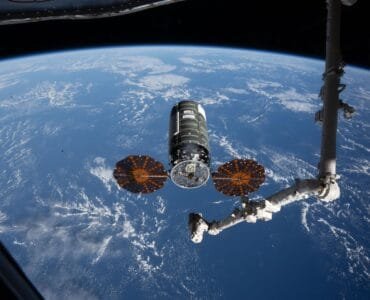
Then came something quieter—and arguably just as transformative. Staying. The International Space Station has hosted people continuously since November 2000, circling roughly 400 kilometers above Earth every 90 minutes. Johnson’s mission operations and human-research expertise help sustain this orbiting laboratory, where weightlessness exposes biological changes that gravity usually masks. Astronauts can lose, on average, 1–1.5% of bone mineral density per month in weight-bearing bones without adequate countermeasures; studying that problem informs research relevant to osteoporosis, muscle loss, and rehabilitation on Earth. Meanwhile, in 2023, the station’s U.S. segment demonstrated 98% overall water recovery using its environmental control and life-support systems. Not a ready-made solution to every terrestrial water shortage—cost, maintenance, and local conditions matter—but a striking demonstration of how necessity can sharpen recycling technology. Space research does not improve everyday life by magic. It does so through experiments, engineering, testing, and adaptation.
Now Johnson’s astronaut corps, Mission Control, and Orion program are helping prepare the next lunar chapter through Artemis. The goal is not merely another footprint. It is learning to operate farther from Earth, with tighter resource budgets and less room for improvisation: capabilities needed for a sustained lunar presence and, eventually, human exploration of Mars. That ambition deserves both enthusiasm and scrutiny. Exploration requires substantial public investment; its benefits are neither automatic nor evenly distributed. Nevertheless, the enduring relevance of these 65 years is clear: solving the problem of keeping people alive beyond Earth expands what we know about keeping people healthy, resourceful, and resilient here. The destination is the Moon. Much of the value comes home.
From Discovery to Disruption
When we think of NASA missions, we think of the epitome of human ingenuity. They inspire us to push our boundaries and strive for greatness.
- Turn space technology into Earth-based products. Explore NASA’s Technology Transfer program for patents and software, checking licensing terms and eligibility. Water purification, environmental sensors, and health-monitoring tools offer starting points. A startup could adapt spacecraft monitoring methods to detect equipment failures in remote clinics or factories.
- Test like a mission team. Johnson’s work depends on simulations, clear procedures, and learning from failures. Startups can apply these principles through staged product releases and simulated outages. Growth teams can set stop rules before experiments begin. The lesson is not to eliminate risk, but to expose it before customers pay the price.
- Build for connection, not isolation. Gemini’s rendezvous and docking achievements show the value of making separate systems work together. Startups can translate that principle into open APIs and modular products. A logistics platform, for example, could grow by connecting existing warehouse tools rather than replacing them.
- Sell resource efficiency as a service. Space missions make limited water, energy, and supplies last longer. Startups can apply that discipline to buildings, farms, and industrial sites. Pair sensors with predictive maintenance, then charge a subscription or share in verified savings. Measure results against a clear baseline.
The economic legacy may be less about rockets than resilience. As Johnson marks 65 years, its methods could help make resource-efficient infrastructure a mainstream investment category. Another possibility is that simulation-based safety testing becomes a competitive advantage for autonomous businesses. The biggest winners may not sell space hardware. They may sell something every economy needs: reliable operations under tight constraints.
CIO/CISO Perspective on NASA
This is where technology and human creativity converge to solve problems, both simple and complex. It’s where innovation thrives and possibilities are limitless.
Despite common misconceptions, NASA is anything but a frivolous expense. They continue to make groundbreaking discoveries and push the boundaries of what’s possible.
NASA’s budget represents less than half a percent of the total government spending budget.
On my website, I make it a point to highlight stories like this to enrich my writing process and bring meaningful narratives to a wider audience. If you found this article engaging, you might enjoy other stories in the Science section or Small Business section.
To check the original story Click here
Stay Up-to-date
Stay informed on the latest NASA and space news at Space.com.
NASA-V3