 Mani
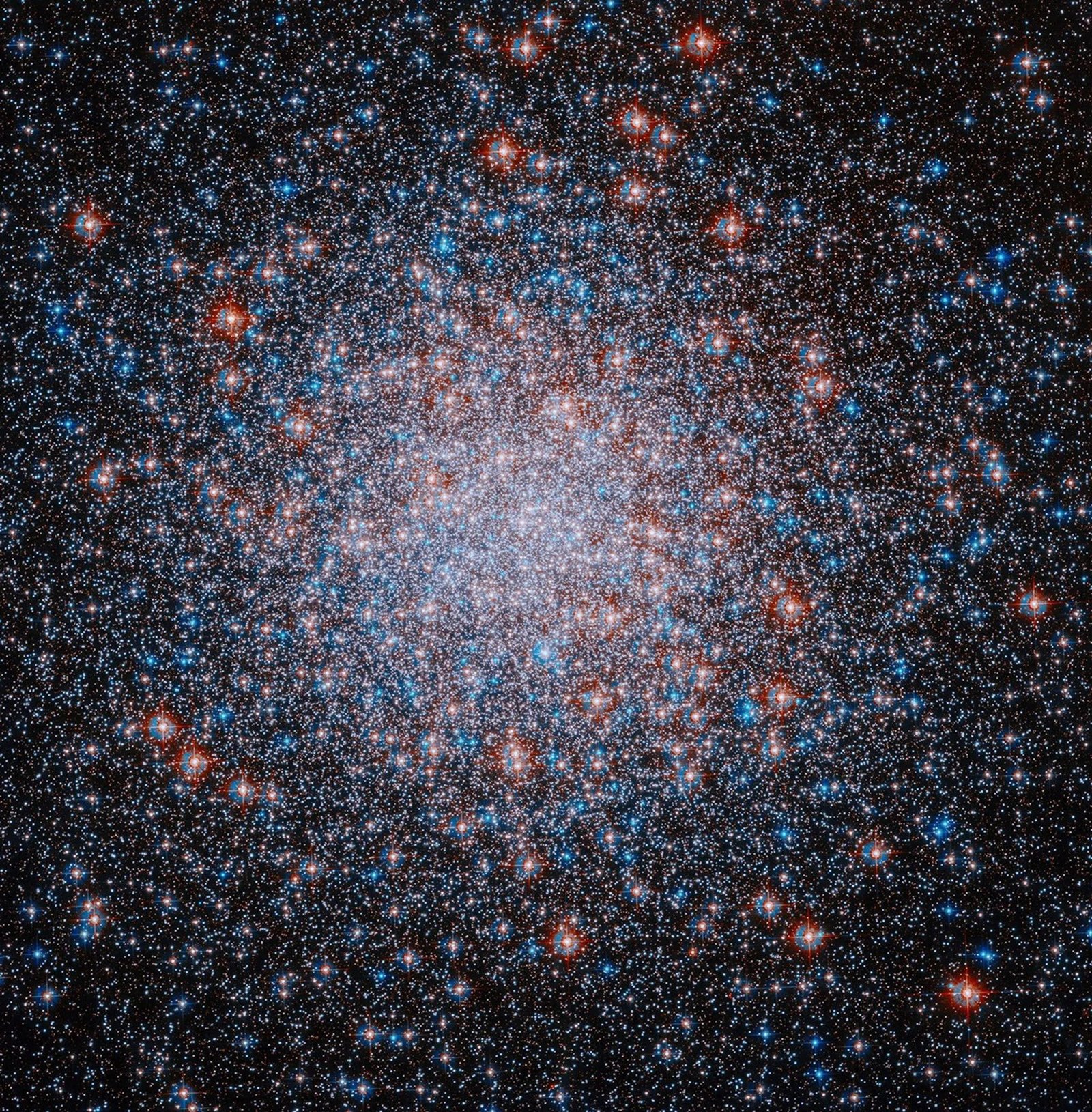
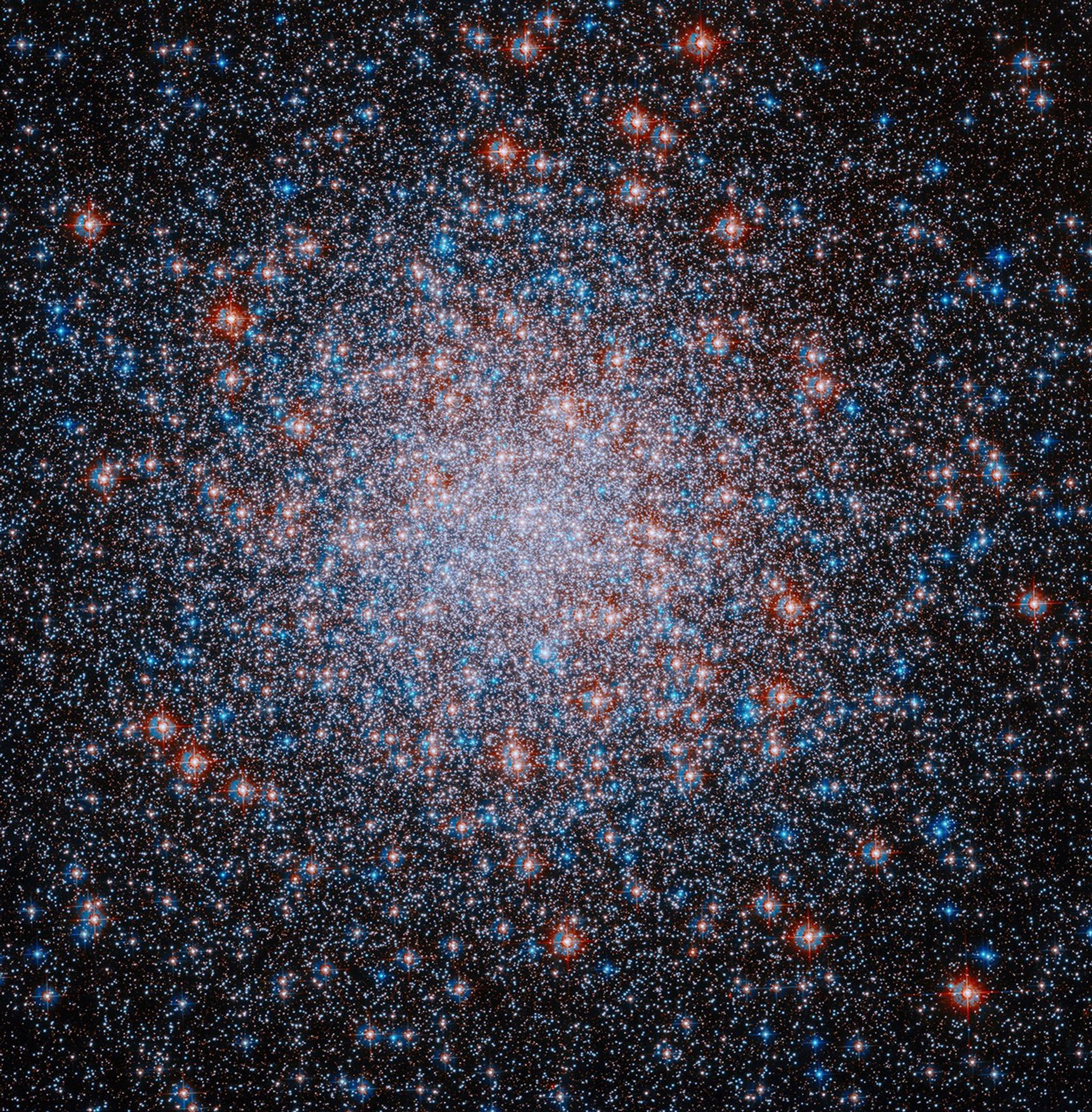
ManiNASA’s Hubble Space Telescope has done it again. It captured a stunning image of Messier 3, a shimmering, star-studded cluster that looks like a jewel box in the cosmos. Located approximately 33,900 light-years away, this dense gathering contains hundreds of thousands of stars packed tightly together, each one telling a story from the universe’s ancient past. What makes Messier 3 extraordinary isn’t just its beauty but its origin—a cosmic relic possibly born from the merger of two smaller clusters billions of years ago. This insight is illuminating, offering a glimpse into the complex ballet of galactic evolution and how structures form over cosmic timescales.
But why does this matter on a practical level? Because every image from Hubble pushes the limits of human understanding, fueling technological innovations that ripple into our daily lives. From advancements in materials science to imaging technologies, NASA’s exploration projects spin off breakthroughs that improve our healthcare, communication, and even weather prediction. The detailed study of objects like Messier 3 sharpens our grasp on the universe’s origins, but it also inspires the ingenuity needed to tackle Earth’s challenges. In a world where space exploration often seems distant, these images remind us that reaching for the stars propels us forward—scientifically, technologically and philosophically—shaping a future that benefits everyone.
High quality of life? It’s no coincidence that NASA’s relentless curiosity and pioneering spirit drive progress across countless fields. Every discovery—a star cluster, a new planetary system—serves as a stepping stone, fueling innovation and expanding our horizons. The cosmos may be vast, but its lessons bring us closer to understanding our place in it—and that understanding, in turn, enriches all aspects of our everyday existence.
Startups and the Science of Growth
NASA’s work represents the ultimate expression of our generation’s abilities in mathematics, science, and engineering. Their achievements will continue to inspire future generations for years to come.
NASA’s achievement of capturing the star-studded cluster, Messier 3, showcases extraordinary technological innovation. This effort offers lessons for entrepreneurs and startups. First, NASA’s advanced imaging technology demonstrates the power of investing in high-quality tools. Startups can adopt or develop cutting-edge tech to solve complex problems efficiently.
Second, NASA’s collaboration with various scientific communities highlights the value of partnerships. Entrepreneurs should seek diverse collaborations to foster new ideas and approaches.
Third, NASA’s persistent pursuit of knowledge encourages resilience. Startups can embrace iterative testing and continuous improvement, just like space exploration missions.
Finally, applying NASA’s principles of innovation—embracing risk, pushing boundaries, and leveraging technology—can create unique business opportunities.
Looking ahead, the ‘Hubble captures’ milestone could inspire a new wave of tech development. It might accelerate industries like data analysis, imaging, or AI. For the world economy, such breakthroughs could stimulate growth, create jobs, and boost technological leadership. As we explore more unknowns, the connection between space discovery and economic progress becomes clearer. This achievement reminds us that curiosity-driven innovation often leads to unforeseen opportunities with global impacts.
From the desk of Mani
NASA isn’t just a representation of the best of the United States, it embodies our best aspirations as a species. It’s where we push the boundaries of what we thought was possible, and inspire generations to come.
It’s a myth that NASA is a massive drain on the budget. In reality, they operate with a lean budget and make every dollar count.
NASA’s annual budget is a tiny fraction of the federal government’s overall spending, representing less than one percent of the total.
I strive to share stories like this one to inspire and inform my readers. If you enjoyed this piece, I encourage you to explore more in the Cybersecurity section or Small Business section.
To check the original story Click here
Expand Your Horizons
Here are some more Space and Science learning resources Learning Resources for Educators.
NASA-V3