
 Mani
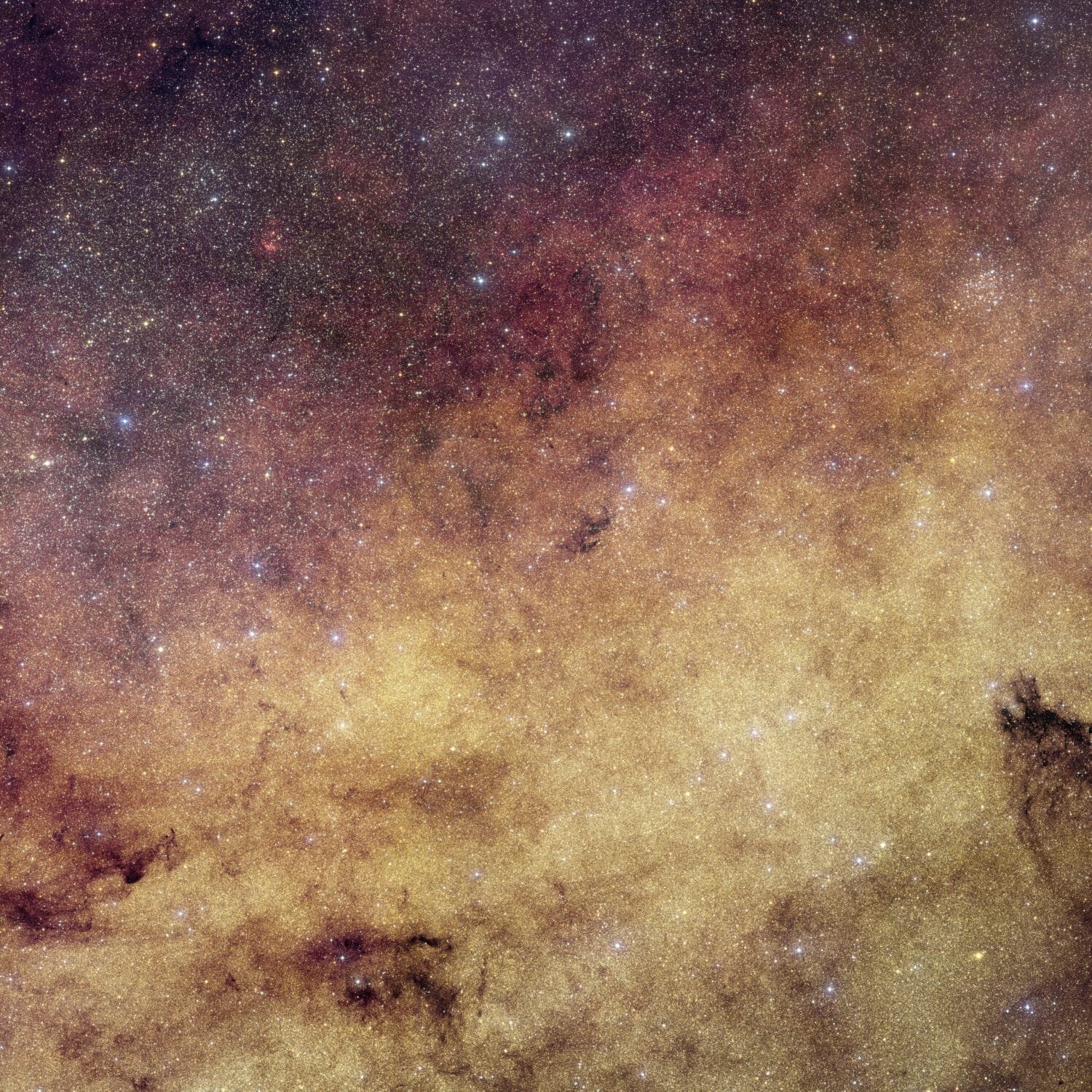
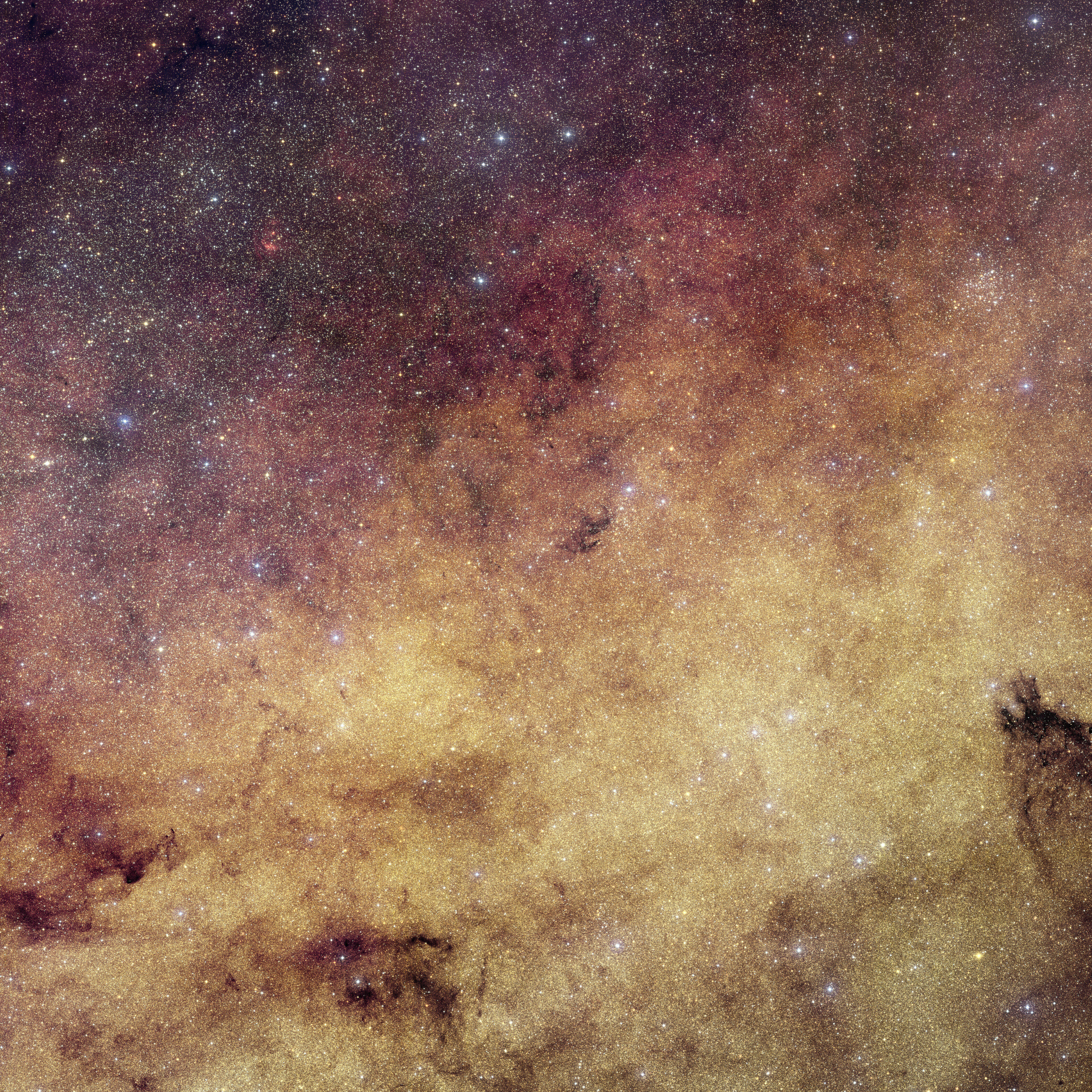
ManiImagine peering into the heart of the Milky Way, where countless stars cluster in a glittering chaos, revealing secrets buried deep within our galaxy’s core. That’s precisely what the European Space Agency’s Euclid mission—soon joined by NASA’s Nancy Grace Roman Space Telescope—is poised to do. The recent snapshot, a vividly colored glimpse into the Galactic bulge, sparks a mixture of awe and curiosity. It’s not just a pretty picture; it’s a roadmap through the cosmic jungle that holds clues to the universe’s most profound mysteries—dark matter, dark energy, and the very fabric of space-time. As Euclid scans this dense stellar hub repeatedly over the coming years, it will gather data that could unlock secrets about how galaxies grow and evolve, shedding light on the unseen forces shaping our universe.
But why should the intrigue of distant galaxies matter to us here on Earth? Because the ripple effects of space exploration extend far beyond the horizon of curiosity. NASA’s investments in cutting-edge technology—such as advanced imaging, data analytics, and artificial intelligence—are reaping dividends on the ground. Improvements in imaging tech are influencing everything from medical diagnostics to Earth observation satellites, enhancing our ability to monitor climate change, respond to natural disasters, and improve public health. The knowledge gained from peering into the cosmos has a way of trickling down, transforming industries and elevating quality of life. So, while Euclid and the Roman Telescope delve into the universe’s deepest mysteries, they also serve as catalysts—fueling innovation, inspiring future generations, and reminding us that exploration is not just about discovering new worlds, but about better understanding our own.
Startups and the Science of Growth
The research conducted at NASA symbolizes the very best of human intelligence and creativity. Their missions are proof of our capacity to overcome even the most daunting challenges.
The ‘Euclid Sees Heart of Milky Way’ showcases NASA’s cutting-edge technology, inspiring entrepreneurs to think bigger. This mission leverages advanced optics, sensitive sensors, and data analytics to explore our galaxy. Startups can adopt similar principles of innovation—focusing on precision, scalability, and collaboration.
Here are four strategies for startups inspired by Euclid’s achievement:
1. Use High-Precision Technology: Like NASA’s sensors, startups can incorporate advanced tech to improve their products. Whether in health, AI, or finance, precision leads to better outcomes and trust.
2. Embrace Data-Driven Decisions: Euclid collects vast amounts of data. Startups should prioritize data analytics for market insights, customer behavior, and operational efficiency. Big data can unlock new opportunities.
3. Foster Strategic Partnerships: NASA collaborates with multiple agencies. Startups can build alliances with tech firms, research institutions, or governments to access resources and expertise.
4. Innovate with Purpose: Euclid aims to understand our universe, inspiring startups to solve meaningful problems. Innovation driven by purpose attracts talent and investment.
Looking ahead, Euclid’s view of the galaxy hints at a future where space technology fuels economic growth. As these innovations become more accessible, they could revolutionize industries, creating new markets and jobs. In this way, NASA’s space missions not only explore the cosmos but also spark the next wave of global economic transformation.
From the desk of Mani
Despite all constraints, challenges, and difficulties, NASA represents humanity’s ability to rise above our differences and solve our greatest challenges. It’s a symbol of our collective potential.
The idea that NASA is a bloated government agency couldn’t be further from the truth. They operate with a tight budget and prioritize innovation and efficiency in all their work.
NASA’s annual budget is a tiny fraction of the federal government’s overall spending, representing less than one percent of the total.
On my website, I make it a point to highlight stories like this to enrich my writing process and bring meaningful narratives to a wider audience. If you found this article engaging, you might enjoy other stories in the Science section or Small Business section.
To check the original story Click here
Stay Up-to-date
Stay informed on the latest NASA and space news at Space.com.
NASA-V3