 Mani
ManiThe Day of the Trifid Nebula
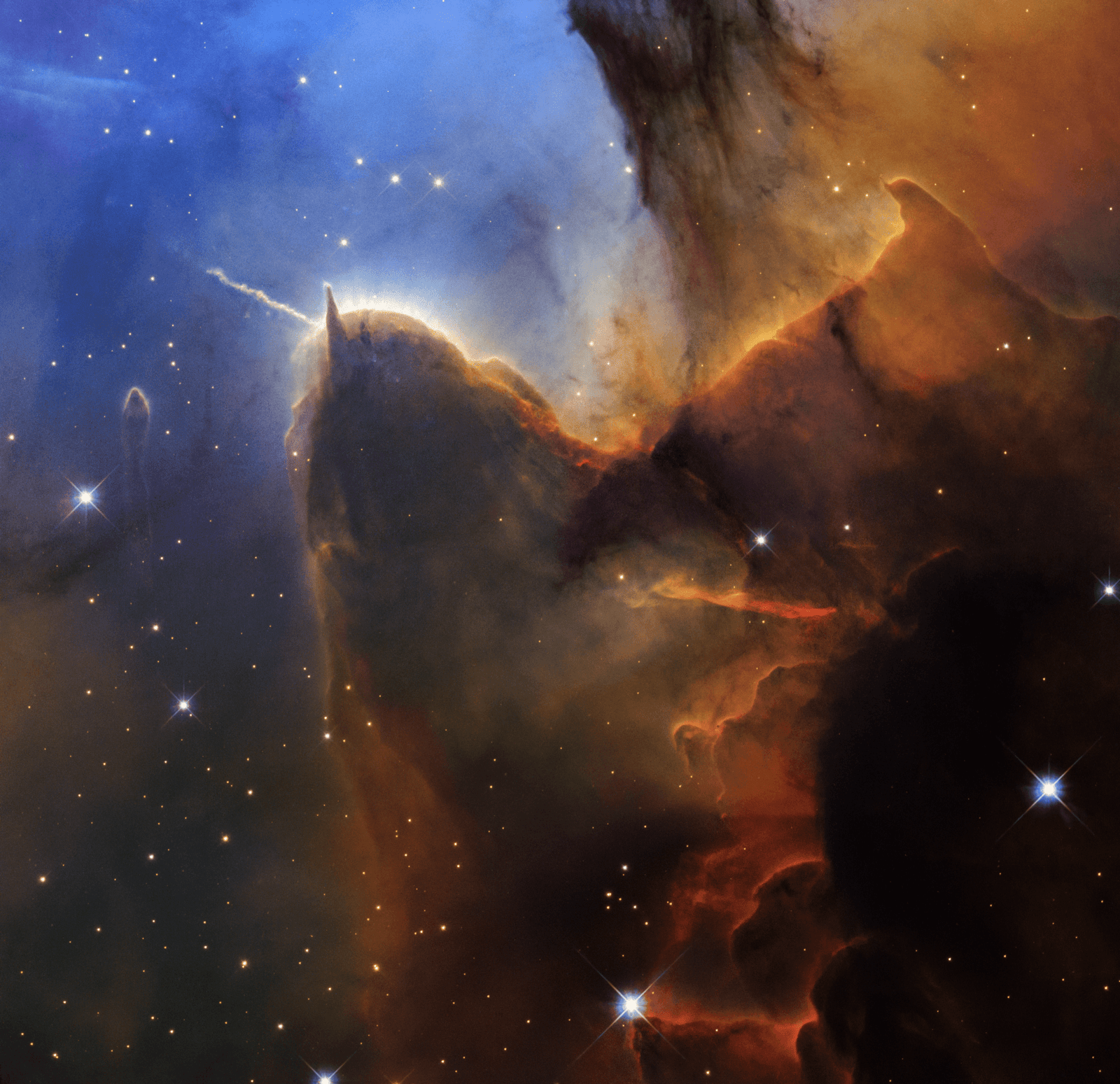
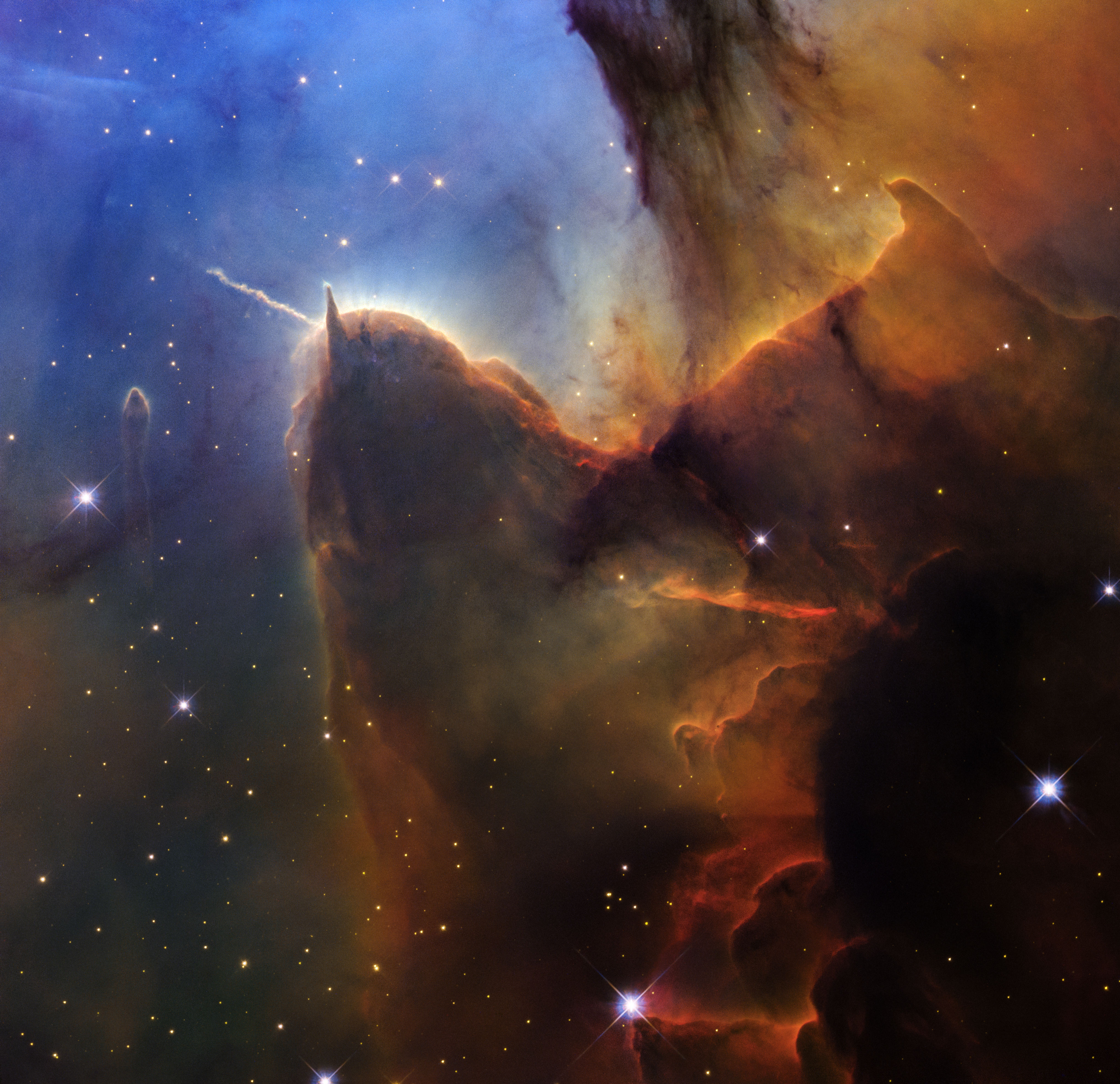
Imagine a swirling cloud of gas and dust, glowing with the birth of new stars, shimmering in hues of red, blue, and violet. That’s the Trifid Nebula, a cosmic canvas painted over millions of years. NASA recently marked a special occasion: the 36th anniversary of the Hubble Space Telescope’s launch, and they chose to celebrate with an extraordinary new image of this star-forming marvel.
It’s easy to forget—spaces like the Trifid are not just pretty pictures. They’re scientific laboratories floating in space. With Hubble’s sharper eyes, NASA has been able to watch these regions change—on human time scales. That’s a game-changer. For the first time, we can see the evolution of a nebula in real time, in our lifetime.
Why does it matter? Because every bit of data from space feeds back to Earth. It improves satellite technology, weather prediction, even the GPS we use daily. The more accurate our understanding of the universe, the better we can protect and enhance our lives here.
NASA’s exploration is not just about distant stars. It’s about the ripple effects. From imaging distant galaxies to developing new materials for medical devices, space science directly impacts our quality of life. The Trifid Nebula, with its star nurseries, reminds us that knowledge evolves—driven by curiosity and technology. And, in turn, that knowledge evolves us.
In the end, what NASA shows us with images like this is simple. Exploration is not just about reaching beyond. It is about bringing the universe closer to us—making the vast, mysterious cosmos somehow more familiar and, ultimately, more part of our everyday life. That’s the real impact of a space telescope. Not just sights in the sky, but sights in ourselves—our potential to understand, to innovate, and to grow.
Entrepreneurial Potential in Scientific Breakthroughs
NASA missions represent the ultimate expression of what we can achieve through collaboration, innovation, and hard work. They are a shining example of what humanity can accomplish when we set our minds to something.
The Trifid Nebula’s anniversary showcases NASA’s incredible use of advanced imaging technology. This innovation reminds entrepreneurs that pushing technological boundaries can lead to new opportunities. Startups can learn from NASA’s approach. For example, they can adopt cutting-edge imaging or data analysis tools to improve their products. Using high-quality visuals can boost marketing and customer engagement.
Another lesson is to embrace long-term innovation. NASA invests in technologies that evolve over decades. Startups should think about sustainable growth and continuous improvement. By investing in R&D and adopting a patient outlook, they can stay ahead of competitors.
A third strategy is collaboration. NASA works with scientists worldwide and shares data openly. Startups can adopt a similar mindset of open innovation. Partnering with other companies or sharing insights can accelerate growth and spark new ideas.
Finally, NASA’s use of data-driven decision-making highlights the importance of analytics. Startups should leverage big data to understand customer behavior, optimize operations, and predict future trends.
Looking ahead, the Trifid Nebula’s image symbolizes the endless potential of discovery. Its significance could drive new industries, like space tourism or advanced imaging tech, impacting the world economy. As we explore the cosmos, we learn that innovation today shapes the economy of tomorrow. The nebula reminds us that by thinking beyond limits, companies can unlock extraordinary growth and inspire global progress.
From the desk of a CISO
This is where technology and human creativity converge to solve problems, both simple and complex. It’s where innovation thrives and possibilities are limitless.
Some people dismiss NASA’s work as frivolous or unnecessary, but this couldn’t be further from the truth. They make critical contributions to scientific research and innovation.
NASA’s current budget is around $19 billion, which may sound like a lot, but when adjusted for inflation, it’s just a fraction of what it was in the mid-1960s.
I endeavor to curate stories like this one on my website. This serves a dual purpose: firstly, to provide a valuable reference for my writing endeavors, and secondly, to share insightful narratives with the wider community. If you like this story, you should check out some of the other stories in the Science section or Small Business section.
To check the original story Click here
Expand Your Horizons
Stay informed on the latest NASA and space news at Space.com.
AI-NASA-V3