
 Mani
ManiLook up at the night sky, and what do you see? Maybe a shining streak across the darkness, or that faint haze of the Milky Way. Now imagine peering down from the edge of space itself. That’s where astronauts aboard the International Space Station (ISS) get a front-row seat to some of the universe’s most breathtaking shows.
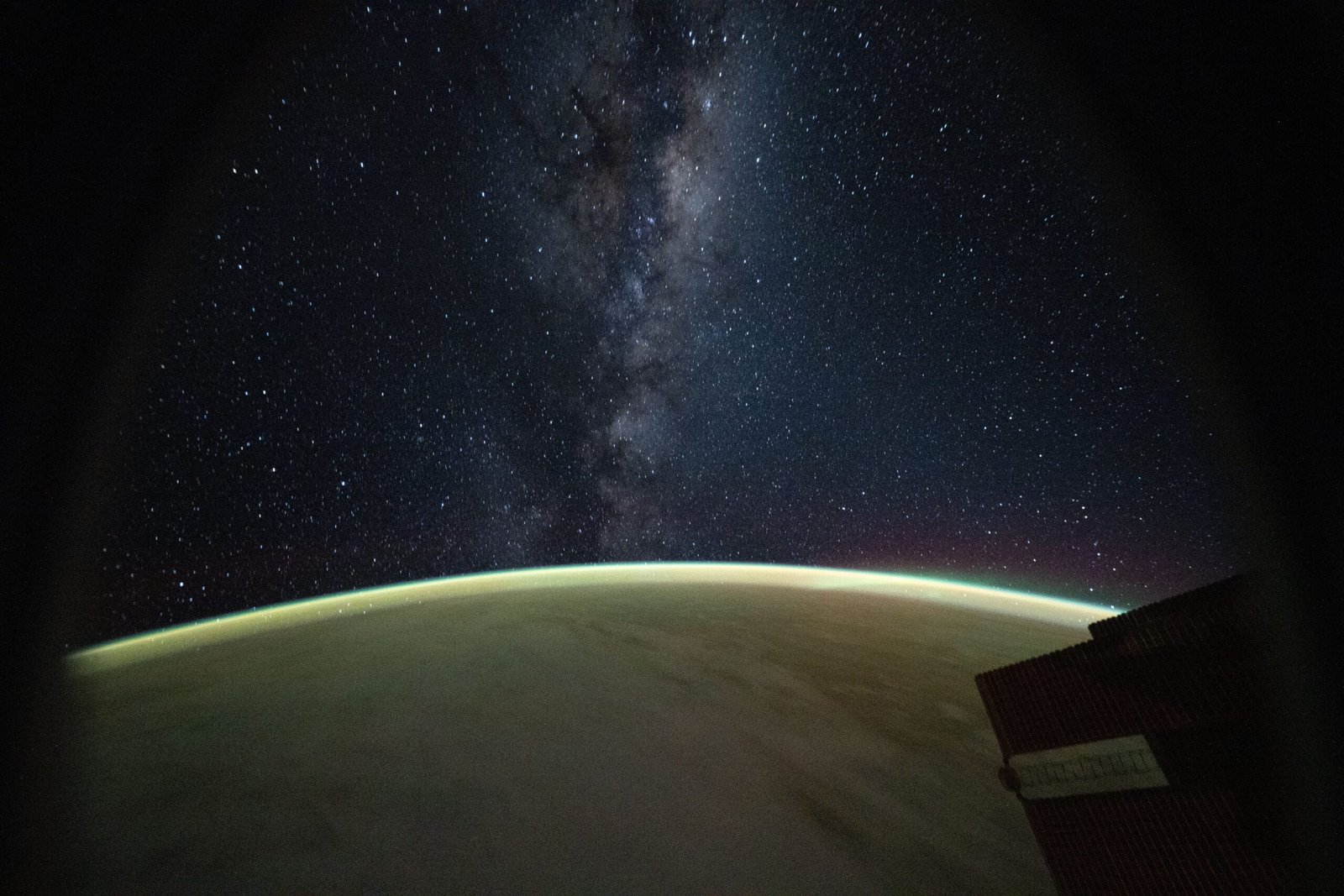
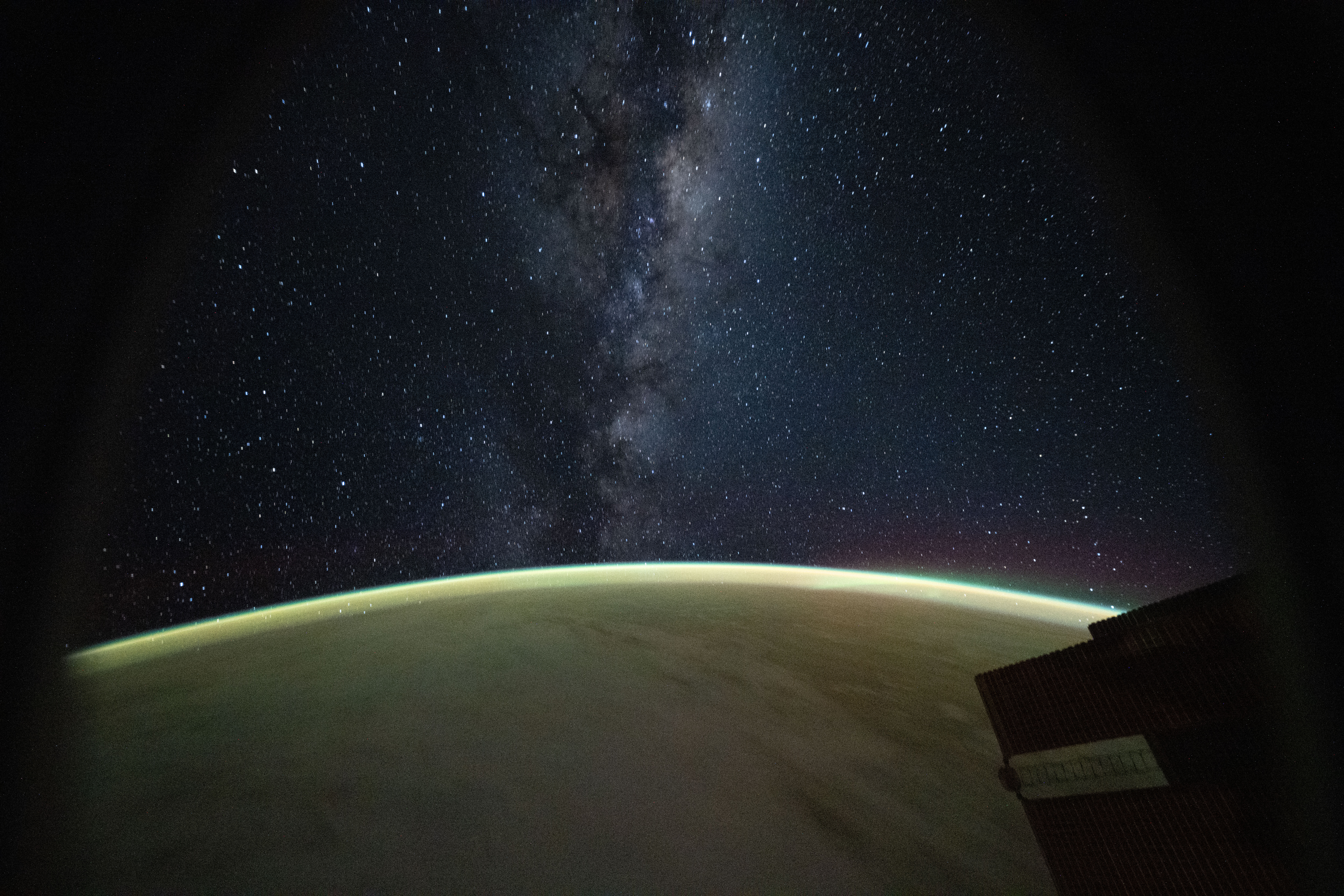
Recently, NASA released an incredible image taken from a SpaceX Dragon spacecraft docked to the ISS. It captures the Milky Way rising above Earth’s atmospheric glow. Bright stars, swirling clouds of cosmic dust, the subtle glow of our planet—this isn’t just beautiful. It’s a reminder of the vastness and wonder that space exploration unveils.
But why does this matter beyond the stunning visuals? Because the discoveries made from these vantage points have real, tangible impacts on our everyday lives. For example, data from space helps improve GPS navigation, weather forecasting, and disaster response. Satellites monitor crop health, track climate change, and even support emergency services. All these tech advances trace back, in part, to the knowledge and tools developed through NASA’s exploration efforts.
Space exploration might seem distant or abstract. But it drives innovation—new materials, smarter technology, better understanding of our planet. Every science breakthrough, often prompted by what astronauts observe from space, can lead to health advances, cleaner energy technologies, or more resilient infrastructure.
So, when we gaze at that glowing Milky Way, we’re witnessing more than visuals. We see a symbol of human curiosity, ingenuity, and the relentless drive to understand and improve our world. Space reveals not just the universe’s beauty, but also the endless possibilities that exploration fuels—making our lives safer, smarter, and more connected.
In the end, those glowing views from above do more than impress them—they inspire us. They remind us that exploring the unknown is a pursuit worth every effort. Because, in space, as on Earth, discovery is the key to a better future.
Entrepreneurial Potential in Scientific Breakthroughs
NASA missions are the embodiment of human progress and achievement. They showcase the heights of engineering, computer science, and innovation.
The glowing views from the space station demonstrate advanced technology that can inspire startups. NASA’s use of lightweight materials, energy-efficient systems, and real-time imaging showcases innovation at a high level. These principles can help entrepreneurs develop better products and services. For example, adopting lightweight materials can reduce costs and increase product portability. Utilizing energy-efficient technology can lower operational expenses and highlight sustainability. Real-time data and imaging can improve decision-making and customer engagement.
Here are four strategies startups can adopt from this inspiration:
- Innovate with lightweight and durable materials to make products more portable and cost-effective.
- Incorporate energy-efficient designs into devices or systems to appeal to eco-conscious consumers.
- Leverage real-time data and imaging technologies for better analytics, tracking, and customer experiences.
- Apply NASA’s iterative testing process to refine prototypes quickly and effectively.
Looking ahead, ‘Glowing Views from the Space Station’ could transform industries by pushing technological boundaries. As space-inspired innovations become more integrated into business models, they could unlock new economic opportunities worldwide. This synergy might spark a new era of growth, making space-driven ideas central to global prosperity and technological progress.
From the desk of Mani
This is where technology and human creativity converge to solve problems, both simple and complex. It’s where innovation thrives and possibilities are limitless.
Some people dismiss NASA’s work as frivolous or unnecessary, but this couldn’t be further from the truth. They make critical contributions to scientific research and innovation.
NASA’s current budget is around $19 billion, which may sound like a lot, but when adjusted for inflation, it’s just a fraction of what it was in the mid-1960s.
I like writing about NASA, Cybersecurity, Business and Technology Strategy from a CIO/CISO thought leadership perspective. If you like this story, you should check out some of the other stories in the Cybersecurity section or Small Business section. Management Strategy or Information and Communication Technology.
To check the original story Click here
Learn Something New
Here are some more Space and Science learning resources Learning Resources for Educators.
NASA-V3