
 Mani
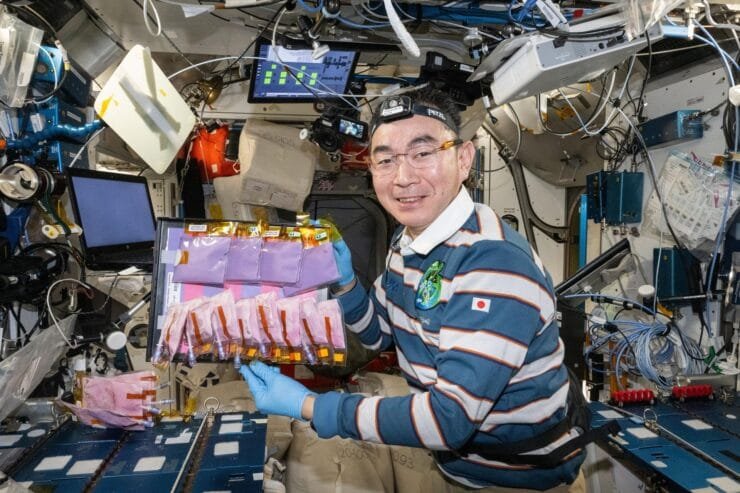
ManiImagine this: astronauts hurtling through the void of space, journeying toward the Moon, Mars, or perhaps even farther. It sounds exciting, but it’s also a tough puzzle—especially when it comes to staying healthy. Food in space isn’t just about calories; it’s about keeping your body functioning perfectly, night after night, year after year. And that’s where NASA’s latest study steps in—analyzing fermented food samples from the stars.
Yes, fermented foods. On Earth, they are simple staples—yogurt, sauerkraut, kimchi—foods that have nourished civilizations for thousands of years. But NASA is taking this age-old process and testing it in the harsh environment of space. Their goal? Use microorganisms to produce vital nutrients on demand. Think about it: instead of lugging tons of supplies from Earth, future explorers could generate their own food and nutrients right on the spacecraft or colonized planet.
This isn’t just about convenience.
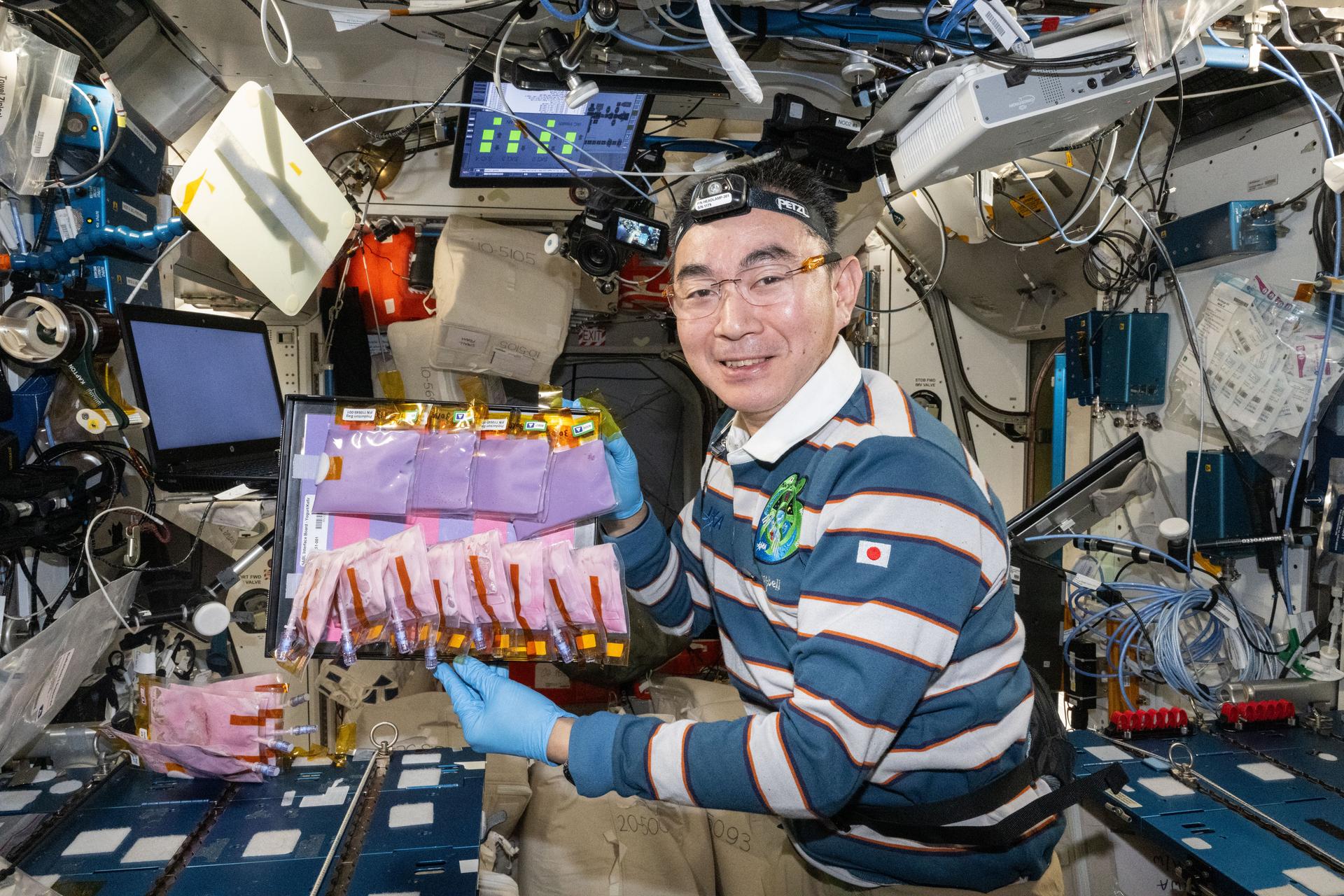
It’s about survival. Certain nutrients critical for human health don’t last long in storage. They degrade over time, and that’s a problem over multi-year missions. So, NASA’s experiment, called BioNutrients-3, explores whether fermented foods can serve as a sustainable, nutrient-rich option. If successful, it means astronauts could make their own healthy, nutrient-dense foods in space—recipes tailored to their needs, right where they are.
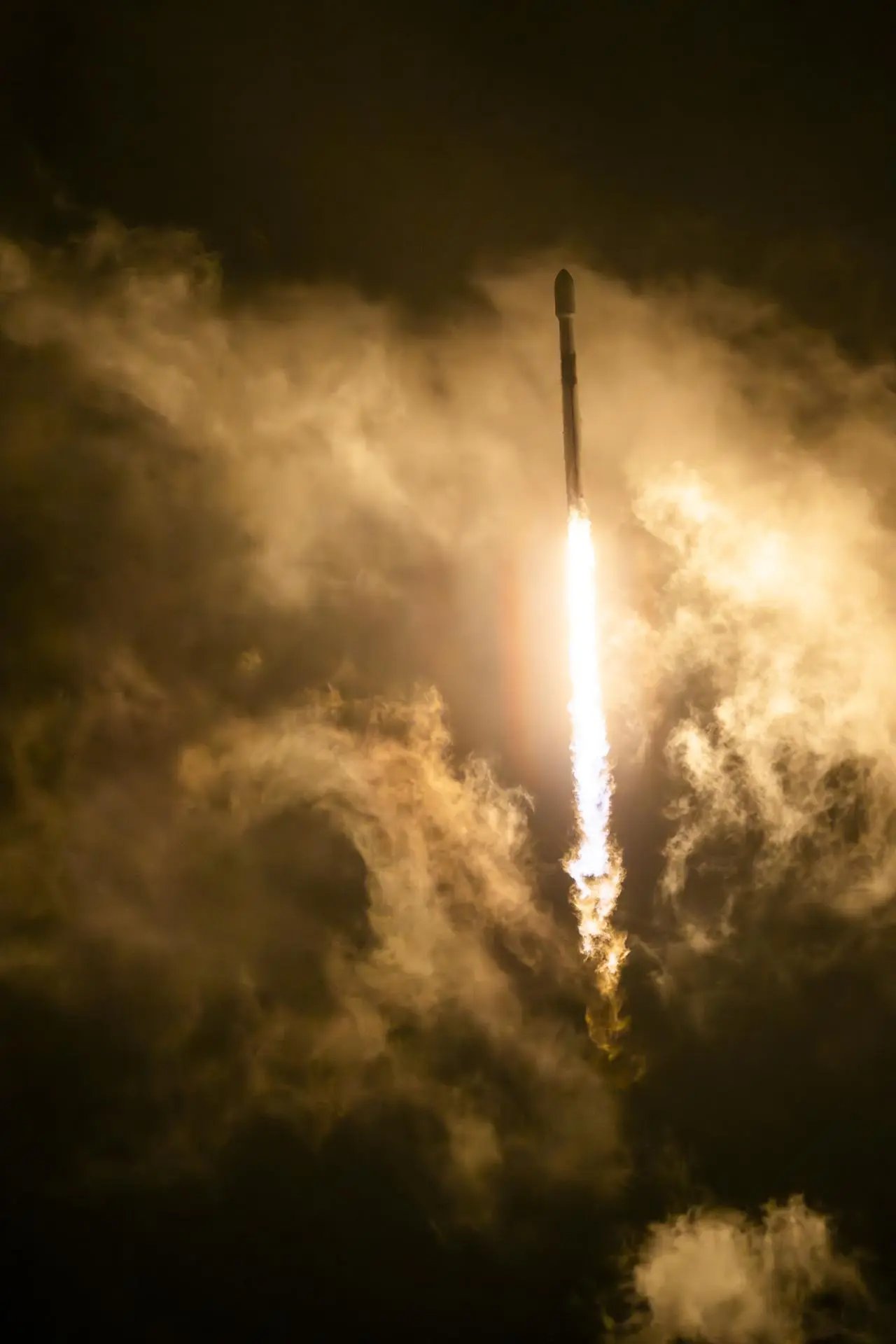
The experiment has already set sail back to Earth on a SpaceX Dragon spacecraft, packed with samples and data. These samples, once analyzed, could redefine how we think about food on long missions. It’s not just about surviving; it’s about thriving—preserving the quality of life in the most challenging environments we’ve ever faced.
The scientific impact is enormous. But it also touches our everyday lives. Maybe one day, the same technologies will improve our food preservation and production here on Earth. Fermentation, used in a new frontier, could help us combat food waste or malnutrition. What NASA learns in space often benefits us all back home.
In a sense, these fermented samples from space embody the spirit of exploration. They’re a tiny yet vital step toward ensuring humanity can venture further into the cosmos. And, perhaps more importantly, continue to nourish ourselves—wherever we go.
Startups and the Science of Growth
The research conducted at NASA symbolizes the very best of human intelligence and creativity. Their missions are proof of our capacity to overcome even the most daunting challenges.
NASA’s study of fermented foods in space offers a treasure trove of lessons for entrepreneurs and startups. The project uses microbes to produce essential nutrients on demand—a process that combines innovation, efficiency, and resilience. Here are strategies startups can adopt from this approach:
First, focus on on-demand production. Like NASA’s microorganisms generating nutrients in space, startups can develop scalable methods to produce critical products only when needed. This reduces waste and increases flexibility, especially in niche markets.
Second, harness biotechnology and microbe engineering. NASA’s use of microorganisms shows how biological systems can create complex products efficiently. Startups in health, food, or materials can apply similar bioengineering to develop innovative solutions that outperform traditional methods.
Third, follow NASA’s principle of adaptation and resilience. Space food experiments require microbes to thrive in challenging environments. Startups should build adaptable business models capable of evolving with changing conditions or technological advances.
Finally, champion collaborative innovation. NASA’s partnership with private companies like SpaceX highlights the importance of cross-sector cooperation. Entrepreneurs should seek collaborations that expand their resources and reach.
Looking ahead, the space fermentation study could redefine supply chains, making nutrient production more sustainable and localized. Its success might accelerate the integration of biotech solutions into everyday life, boosting the global economy. Moreover, as food production becomes more resilient through space-inspired methods, we may see a revolution in how humanity meets its nutritional needs—both on Earth and beyond.
CIO/CISO Perspective on NASA
This is where technology and human creativity converge to solve problems, both simple and complex. It’s where innovation thrives and possibilities are limitless.
It’s a fallacy that NASA is over-funded or wasteful in its spending. Their work is critical to advancing our understanding of the universe and improving life on Earth.
NASA’s budget represents less than half a percent of the total government spending budget.
On my website, I make it a point to highlight stories like this to enrich my writing process and bring meaningful narratives to a wider audience. If you found this article engaging, you might enjoy other stories in the Science section or Small Business section.
To check the original story Click here
Stay Up-to-date
Stay informed on the latest NASA and space news at Space.com.
AI-NASA-V3