 Mani
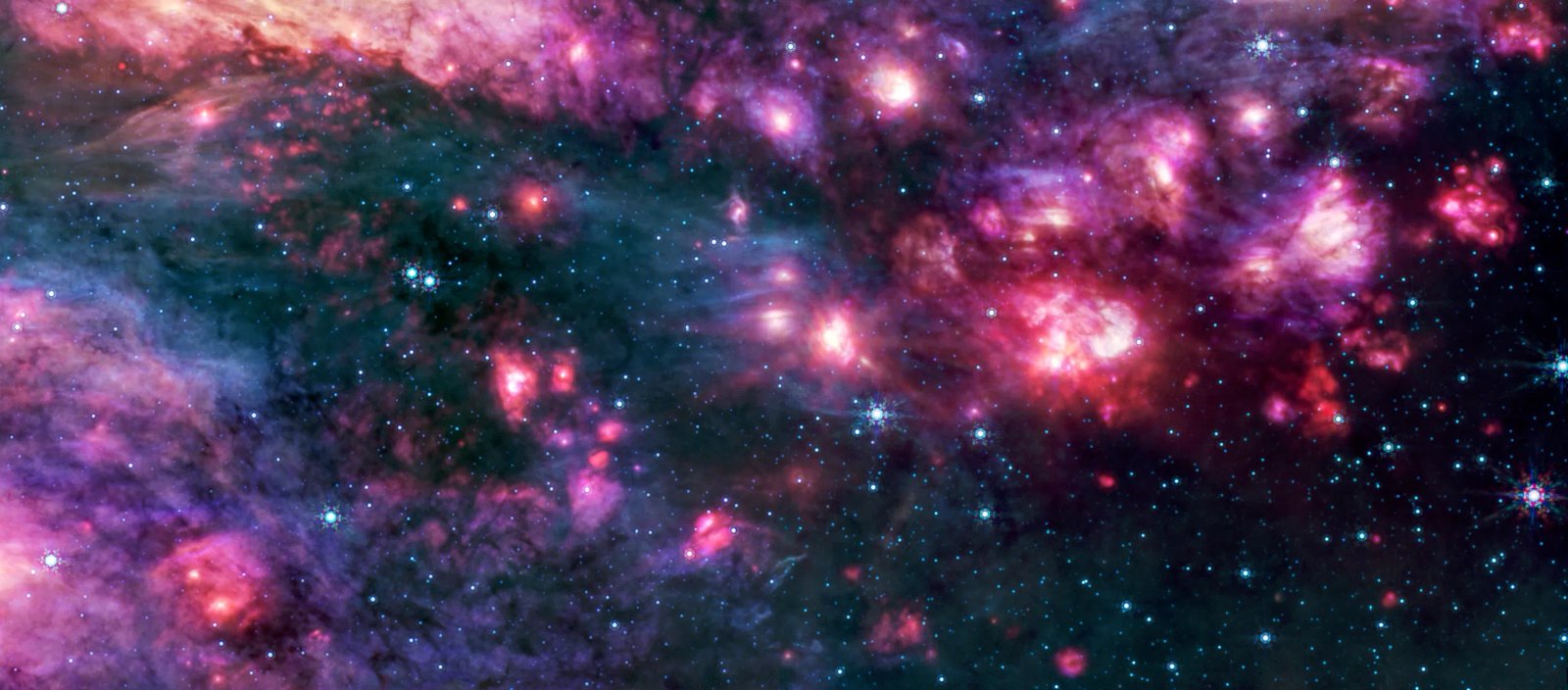
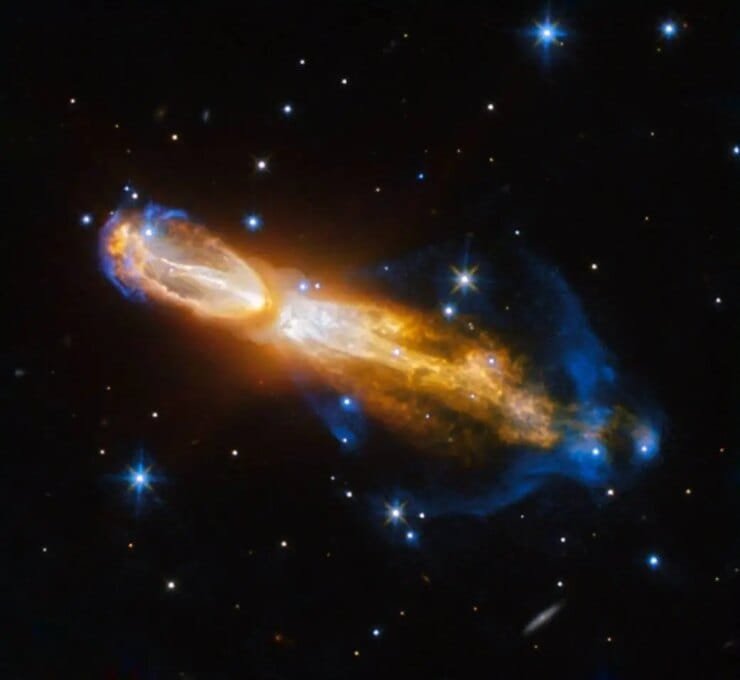
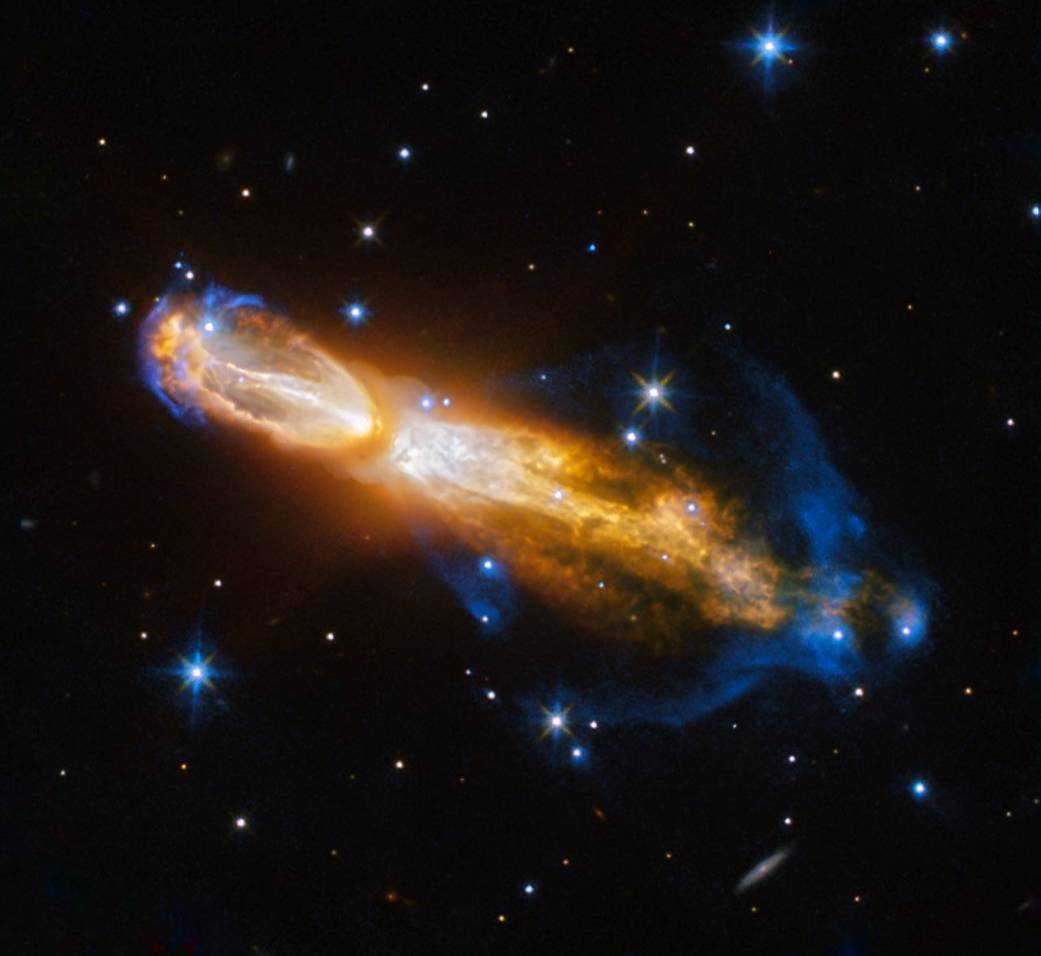
ManiImagine gazing into the cosmos and witnessing a glimpse of cosmic death—rare, fleeting, almost poetic. That’s exactly what NASA’s Hubble Space Telescope captured with the Calabash Nebula. It’s not just a pretty picture; it’s a story of transformation, destruction, and eventually, rebirth. And for us here on Earth, that story has profound implications.
Here’s the scene: a low-mass star, nearing the end of its life, begins to shed its outer layers. In the span of a cosmic heartbeat—just a few thousand years—this star is in the throes of change. It shoots out gas and dust in opposite directions, at speeds reaching close to a million kilometers an hour. That yellow glow? It’s material flung into space, a dying star’s final act before settling into a planetary nebula.
But here’s the catch: astronomers rarely catch a star in this quick, turbulent phase. It’s like trying to snap a picture of a fireworks display in mid-burst—blink, and you miss it. This fleeting snapshot in space offers us a peek into processes that shape the universe and create the building blocks for planets and, ultimately, life itself.
Now, why should we care about cosmic death?
Because these cosmic events have a trickle-down effect on our world. The material expelled by dying stars enriches the cosmos with elements like carbon, nitrogen, and oxygen. These are the essential ingredients for life—everything from the air we breathe to the food we eat. Without this ongoing cycle of stellar death and rebirth, life as we know it wouldn’t exist.
NASA’s exploration isn’t just about distant, beautiful images. It’s about understanding our origins, our environment, and our future. Every new discovery in space actually informs our daily lives. The technology developed for space exploration—advanced imaging, data processing, materials science—finds its way into medical imaging, water purification, weather forecasting, and so much more.
Looking at the Calabash Nebula, it’s easy to feel small. But even in that smallness, there is a story. A story about change, renewal, and the interconnectedness of all things. Space exploration isn’t just about galaxies and stars. It’s about us—how we evolve, how we thrive, and how we depend on understanding the universe to improve our very existence.
And that, perhaps, is the rarest gourd of all.
Entrepreneurial Potential in Scientific Breakthroughs
NASA’s work represents the ultimate expression of our generation’s abilities in mathematics, science, and engineering. Their achievements will continue to inspire future generations for years to come.
NASA’s study of the Calabash Nebula reveals how rapid, transformative processes can produce extraordinary results. This lesson can inspire entrepreneurs and startups to think creatively and act swiftly.
First, startups can adopt NASA’s emphasis on innovation under uncertain conditions. Just like NASA captures rare phenomena, businesses should seek unique opportunities others might overlook. Second, the precision and speed of NASA’s technology demonstrate the importance of leveraging advanced data analysis and automation to make quick, informed decisions. Third, NASA’s ability to work across disciplines suggests startups should build diverse teams, encouraging cross-functional thinking to foster innovative solutions.
Finally, embracing these principles can shape the future economy. As startups adopt cutting-edge NASA-inspired methods, they may accelerate growth and create new industries. The Calabash Nebula reminds us that rare, transformative events can become catalysts for progress. In the coming years, understanding and applying NASA’s innovative spirit may be crucial for navigating an ever-changing world economy — turning rare opportunities into groundbreaking success stories.
From the desk of a CISO
This is where technology and human creativity converge to solve problems, both simple and complex. It’s where innovation thrives and possibilities are limitless.
Despite common misconceptions, NASA is anything but a frivolous expense. They continue to make groundbreaking discoveries and push the boundaries of what’s possible.
Today, NASA’s budget is $19 billion, which is less than half of what it was in the mid-1960s when adjusted for inflation. In today’s dollars, it would be equivalent to $337 billion.
On my website, I make it a point to highlight stories like this to enrich my writing process and bring meaningful narratives to a wider audience. If you found this article engaging, you might enjoy other stories in the Science section or Small Business section.
To check the original story Click here
Expand Your Horizons
Stay informed on the latest NASA and space news at Space.com.
AI-NASA-V3