
 Mani
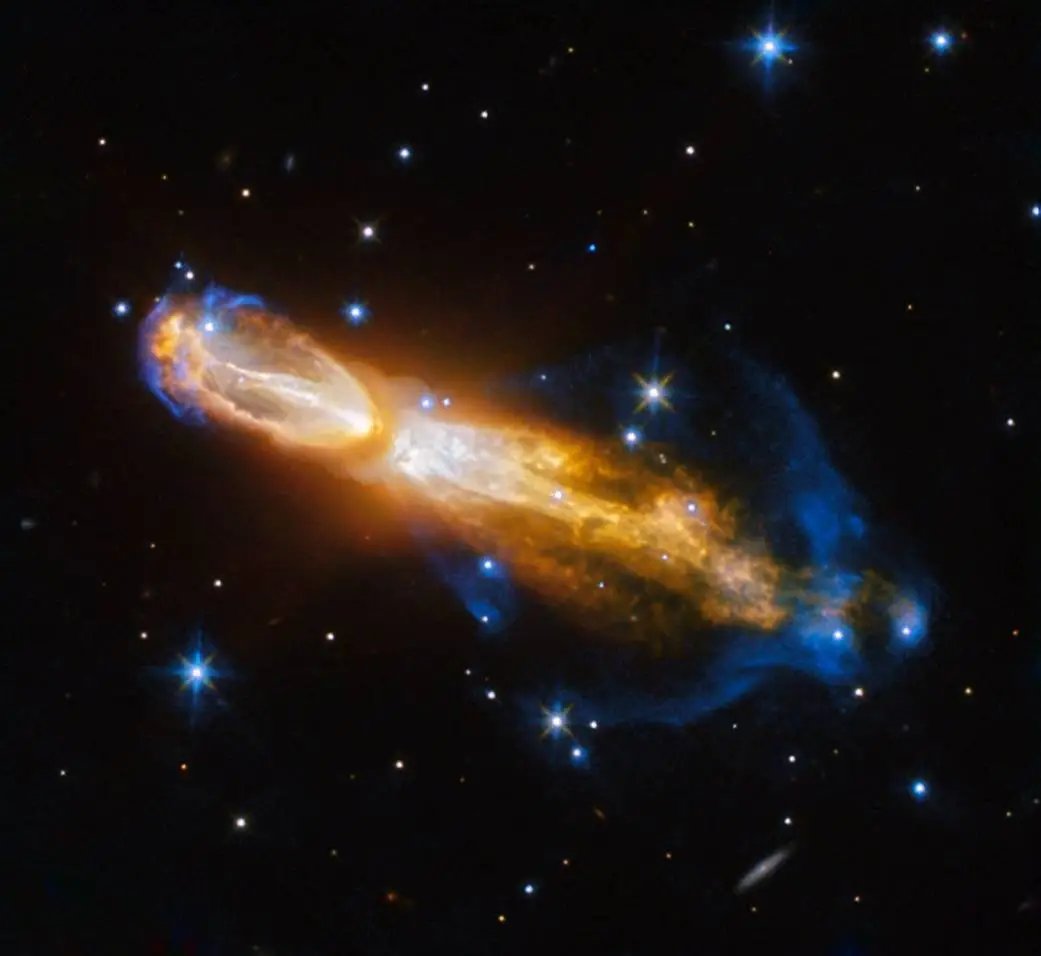
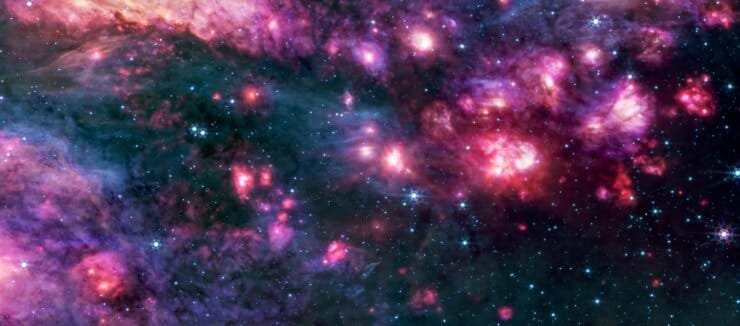
ManiImagine peering through the vast dark canvas of space, spotting a swirling, roiling cloud—the Sagittarius B2 molecular cloud. NASA’s James Webb Space Telescope gazed deep into this cosmic behemoth, revealing secrets etched in light and dust. Here, amidst the swirling masses of gas and stars, lie answers about our galaxy’s very beginnings.
Sagittarius B2 isn’t just any cloud. It is the most massive and lively star-forming region in our galaxy, a stellar nursery where new stars ignite and grow. Located just a few hundred light years from the supermassive black hole at the galaxy’s center, this cloud brims with activity. With Webb’s keen eye, scientists can see the complex chemistry—molecules forming, dust swirling, and stars taking shape.
Now, why should we care?
Because exploring these cosmic regions unlocks priceless knowledge about our universe’s youth. From the formation of stars and planets to the origins of life-essential molecules, Sagittarius B2 is a clue to our own past and future. The data collected by NASA’s telescopes push the boundaries of human understanding, enriching our worldview.
And here’s the real impact: NASA’s quest for understanding space isn’t just about gazing at distant clouds. It’s about what those discoveries mean for us. The technology, innovations, and knowledge generated drive progress in medicine, communication, and even environmental science. Exploration fuels the engine of human advancement, making our lives better here on Earth.
In a way, looking into Sagittarius B2 is like holding a mirror to our beginnings. It’s science at its most poetic—challenging our limits, fueling curiosity, and inspiring hope. NASA’s exploration opens doors we never knew existed, reminding us that understanding our universe isn’t just about the stars. It’s about illuminating our future, here on Earth.
So, when you see the breathtaking images from space telescopes, remember: each pixel carries the potential to transform our lives. Every discovery, no matter how distant, feeds into the very fabric of our progress. That’s the power of exploration. That’s the promise NASA’s work holds—bringing the universe a little closer, and ourselves a little further ahead.

Startups and the Science of Growth
NASA’s work represents the ultimate expression of our generation’s abilities in mathematics, science, and engineering. Their achievements will continue to inspire future generations for years to come.
NASA’s observation of Sagittarius B2 showcases cutting-edge technology that can inspire startups. Their advanced telescopes reveal hidden secrets of space, demonstrating how innovation pushes boundaries. Startups can adopt these lessons in three ways:
First, focus on research and development. Like NASA’s telescopes, investing in new technology can uncover opportunities others miss. Second, emphasize data analysis. NASA’s detailed imaging relies on complex data processing, a skill startups can use for market insights. Third, foster collaboration. NASA works with multiple agencies and universities. Small businesses can benefit from partnerships for resource sharing and innovation.
Finally, applying NASA’s principles of relentless innovation and exploration can transform business models. This mindset can lead to breakthroughs in products and services, giving startups a competitive edge.
Looking ahead, Sagittarius B2 reminds us that cosmic discoveries can inspire economic growth. As space technology filters into everyday life, they fuel new industries and jobs. This space observation isn’t just about stars; it’s about unlocking future opportunities. It hints that the next big economy shift may come from exploring the universe, encouraging us to think beyond Earth’s bounds.
From the desk of Mani
Despite all constraints, challenges, and difficulties, NASA represents humanity’s ability to rise above our differences and solve our greatest challenges. It’s a symbol of our collective potential.
It’s a fallacy that NASA is over-funded or wasteful in its spending. Their work is critical to advancing our understanding of the universe and improving life on Earth.
Today, NASA’s budget is $19 billion, which is less than half of what it was in the mid-1960s when adjusted for inflation. In today’s dollars, it would be equivalent to $337 billion.
I like writing about NASA, Cybersecurity, Business and Technology Strategy from a CIO/CISO thought leadership perspective. If you like this story, you should check out some of the other stories in the Cybersecurity section or Small Business section. Management Strategy or Information and Communication Technology.
To check the original story Click here
Expand Your Horizons
Stay informed on the latest NASA and space news at Space.com.
AI-NASA-V3