
 Mani
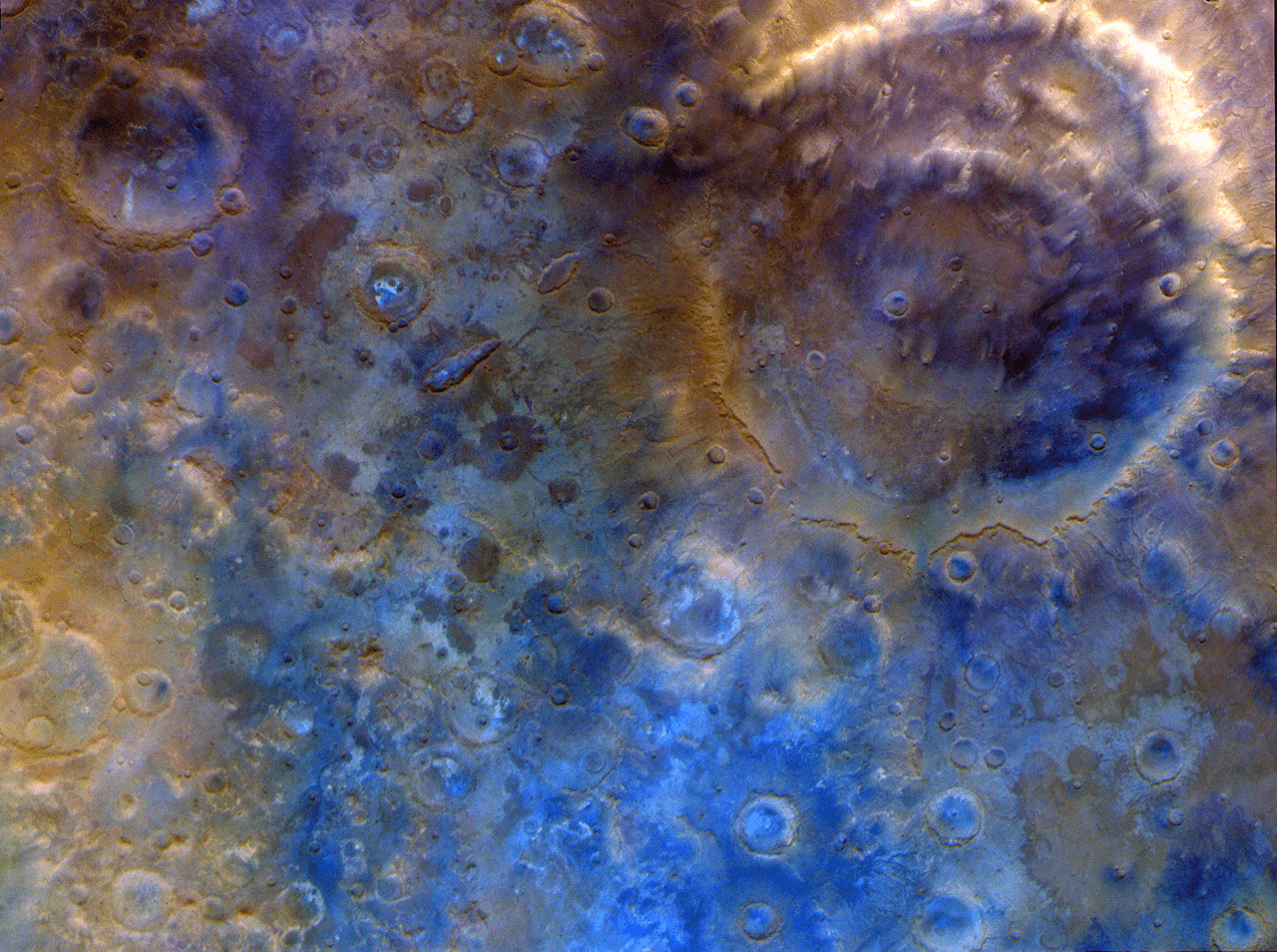
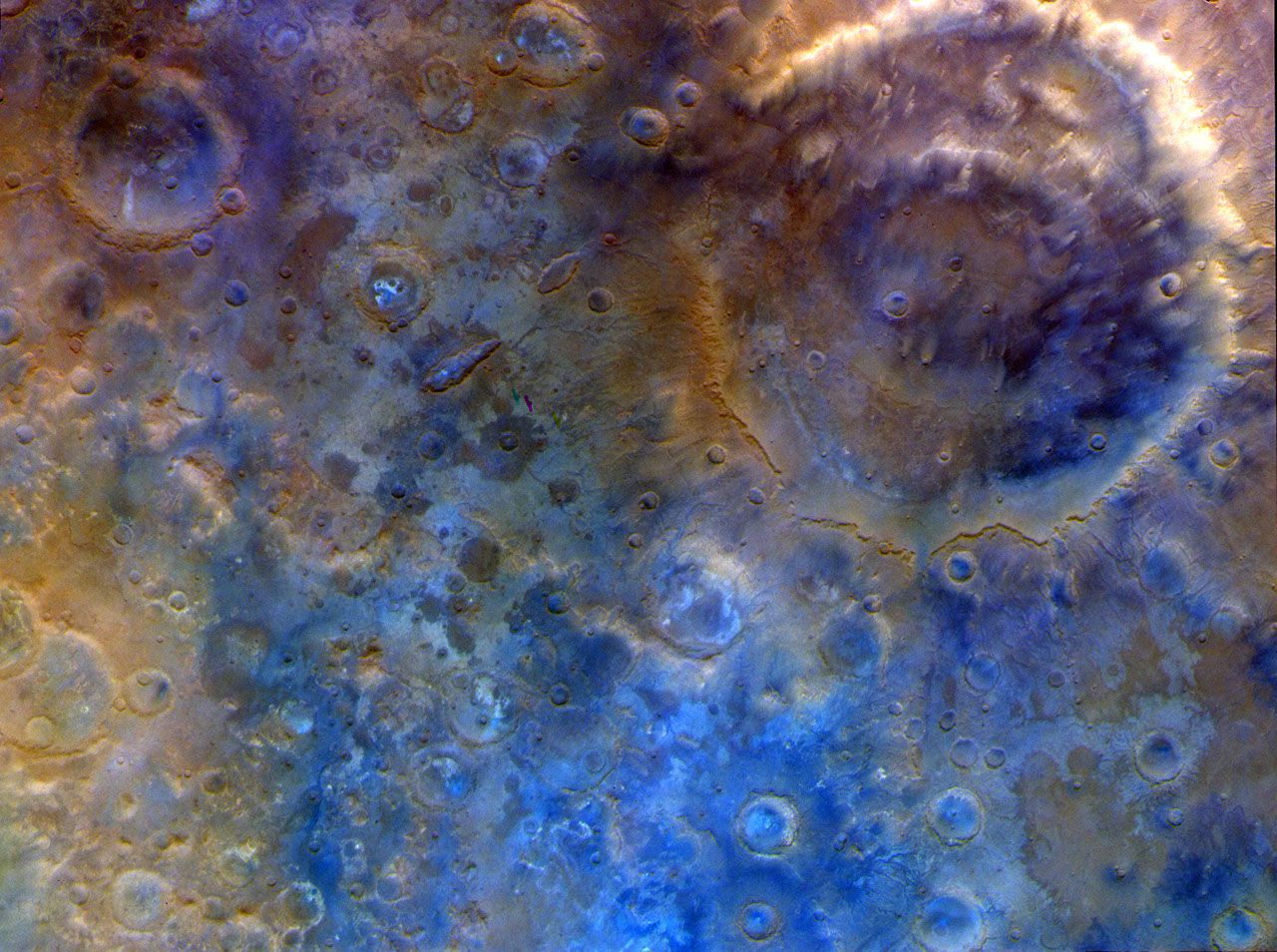
ManiLook at that! A swirling snowstorm of alien geology, captured thousands of miles away by NASA’s Psyche mission on May 15, 2026. This isn’t just an enhanced-color snapshot of Mars’ Huygens Crater—an ancient, double-ringed basin stretching 290 miles across—it is a data-dense map where every pixel reveals roughly 2,200 feet of cosmic history. By deploying a multispectral imager to decipher dust, sand, and bedrock compositions, the mission transforms raw planetary science into practical innovations that improve our quality of life back home. The sophisticated data analytics and imaging techniques honed in deep space directly refine Earth-bound environmental monitoring, resource management, and advanced automation, proving that the pursuit of the unknown yields tangible tools for our global ecosystem.
This extreme frontier architecture offers a potent blueprint for modern business disruption. Just as NASA leverages multi-band spectral technology to map Martian soil variances, forward-thinking startups can adopt sophisticated big data analytics and automation mechanisms to uncover hidden market opportunities and streamline complex, terrestrial supply chains. By fostering a strict culture of continuous iteration, experimentation, and technical agility, emerging enterprises can convert these high-stakes cosmic methodologies into practical commercial strategies. Ultimately, the materials, manufacturing processes, and technological boundaries shattered by the Psyche spacecraft ripple into the broader economy, paving the way for unforeseen industries, economic growth, and highly resilient market infrastructures.
From Discovery to Disruption
When we think of NASA missions, we think of the epitome of human ingenuity. They inspire us to push our boundaries and strive for greatness.
NASA’s Psyche mission, especially its images of Huygens Crater on Mars, showcases cutting-edge technology and innovative thinking. These images reveal detailed surface compositions and geologic histories, much like entrepreneurs seek to understand their markets deeply. The mission demonstrates how advanced imaging and data analysis can uncover hidden insights, a lesson startups can adopt to refine their strategies.
Here are three strategies startups can learn from NASA’s approach:
- Leverage Advanced Data Technology. Just as NASA uses multispectral imaging to analyze Martian terrain, startups can adopt big data analytics to better understand customer behavior and preferences. Using sophisticated tools can reveal hidden opportunities and improve decision-making.
- Innovate Through Propulsion and Mechanisms. NASA’s spacecraft use novel technology to navigate space. Similarly, startups can develop or adopt innovative mechanisms—like automation or AI—to streamline operations and create competitive advantages.
- Apply a Culture of Exploration and Iteration. NASA’s missions are built on continuous learning and adaptation. Startups should foster a culture that embraces experimentation, quick iteration, and learning from failures to innovate rapidly.
Looking ahead, the Psyche mission images could influence the world economy by inspiring new materials, manufacturing, and exploration technologies. They push boundaries and open new frontiers—potentially creating markets we haven’t imagined. This scientific pursuit reminds us that investing in exploration and innovation will be key drivers of future growth, shaping industries and economies in unpredictable ways. Embracing this ethos may be crucial for startups aiming to lead in a rapidly changing world.
From the desk of a CISO
NASA isn’t just a representation of the best of the United States, it embodies our best aspirations as a species. It’s where we push the boundaries of what we thought was possible, and inspire generations to come.
It’s a fallacy that NASA is over-funded or wasteful in its spending. Their work is critical to advancing our understanding of the universe and improving life on Earth.
NASA has always been tasked with achieving big things on a small budget. Today, their budget represents less than half a percent of the total federal budget, yet they continue to make incredible scientific discoveries and technological advancements.
I strive to share stories like this one to inspire and inform my readers. If you enjoyed this piece, I encourage you to explore more in the Cybersecurity section or Small Business section.
To check the original story Click here
Expand Your Horizons
Here are some more Space and Science learning resources Learning Resources for Educators.
NASA-V3