

 Mani
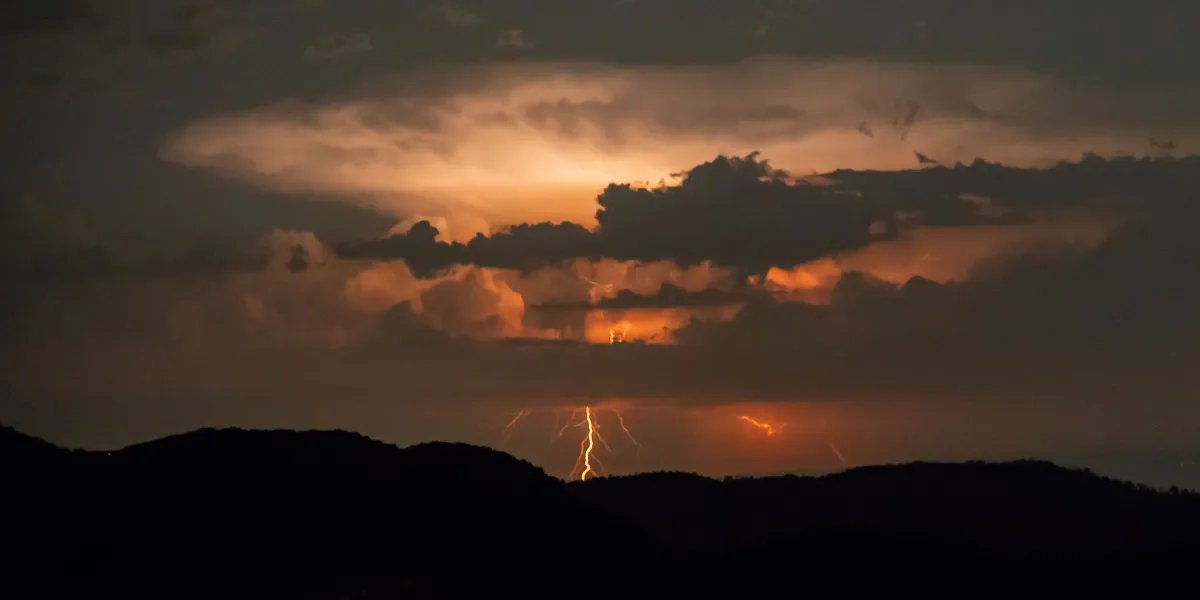
ManiWe tend to fall in love with clean answers. It feels good, almost comforting, to believe that if we just push hard enough on prevention, we can finally get ahead of chaos. So when the idea comes up that maybe one day we could interrupt lightning itself, stop sparks before they ever touch the ground, it pulls you in. It sounds sharp, precise, almost elegant.
And yet, that same elegance carries a quiet risk. Because systems, especially natural ones, rarely respond well when we try to make them behave like machines.
Lets compare an aggressive wild fire management policy with zero-tolerance bug management policy.
Fire Was Never Just the Enemy
Fire has always had this double identity. It destroys, yes, and we have the scars to prove it. But it also clears, resets, feeds the soil in ways we don’t always see until much later. Forests grew up expecting it. Grasslands leaned into it. When we stepped in and said no more, not here, not ever, something subtle shifted.
I remember a situation at one organization, not about fire but it felt similar in hindsight. Leadership pushed for zero failure tolerance across every system, every process, every team. On paper, it looked responsible. In reality, people stopped experimenting. Small issues got buried instead of surfaced. And when something finally broke, it didn’t crack, it collapsed. That moment was shaped by years of trying to eliminate every spark instead of managing the burn.
The same pattern showed up in wildfire policy. Decades of suppression built landscapes that looked stable but were quietly loading up with fuel. So when a real fire came, it didn’t behave like the ones before. It roared.
Prevention That Shifts the Pain Elsewhere
Then came another layer. Utilities, trying to reduce risk, started shutting off power during high wind events. It made sense in isolation. Reduce ignition sources, reduce fires. Simple math. Except it wasn’t simple for the people sitting in the dark, the hospitals scrambling, the small businesses watching inventory spoil. Prevention worked in one direction and created pressure in another.
While that might sound like a tradeoff on paper, in real life it lands harder. It lands on families, on operations, on trust. That consequence doesn’t stay theoretical. It becomes a lived disruption.
Australia offers a different lens. Indigenous communities managed land with small, controlled burns for generations. Nothing flashy, nothing dramatic. Just consistent, intentional work. When that stopped, fuel built up again, quietly, patiently, until the system responded in a way no one could ignore.
So when we talk about stopping lightning or eliminating ignition sources entirely, it feels like we’re skipping over something important. We’re focusing on the trigger, not the condition that makes the trigger dangerous.
Where This Mirrors Cyber and IT Risk
This is where it gets personal for anyone in IT or cybersecurity leadership. I’ve seen teams push toward absolute control. Lock everything down. Block every external connection. Strip systems of flexibility until nothing unexpected can get through.
For a moment, it feels safe. Clean dashboards. Fewer alerts. Fewer unknowns.
Then something small slips through, or worse, something internal fails, and the system has no room to adapt. Recovery slows. People hesitate. Customers feel it before anyone else says it out loud. That outcome doesn’t come from one bad decision. It is a direct result of building rigidity where resilience should have been.
I remember a CEO I worked with who genuinely believed total lockdown was the only responsible path. And honestly, I understood the fear behind it. But over time, what it created in the team was hesitation. Engineers stopped proposing changes. Innovation slowed to a crawl. Competitors didn’t wait. They moved.
Balance Is Not a Buzzword, It Is Survival
While it sounds simple to say balance, living it feels messy. It means deciding what loss you truly cannot accept, and then being honest about everything else. It means investing not just in stopping problems, but in surviving them.
In wildfire terms, that looks like thinning, controlled burns, community planning. In IT, it looks like segmentation, backups that actually work, detection that buys you minutes you didn’t have before. Those minutes matter more than people admit.
There’s also this quiet discipline of asking uncomfortable questions early. What happens if this prevention measure fails. What breaks next. What does it interrupt that we rely on. Leaders who avoid that question usually end up answering it later, under pressure, when options are thinner.
While research into lightning prevention or advanced detection is worth pursuing, it cannot carry the entire weight of the problem. It was never meant to. Systems need layers. They need overlap. They need space to absorb impact.
And maybe more than anything, they need humility. The kind that admits we will not catch every spark, we will not predict every failure, and pretending otherwise tends to create systems that shatter instead of bend.
I’ve come to see prevention not as the finish line, but as one piece of a larger rhythm. You prevent what you can. You prepare for what you can’t. And somewhere in between, you build teams and systems that know how to move when things stop going according to plan.
Because they always do.
Crafting a Business Strategy That Fits You
Small business owners pour their heart and soul into their businesses. They work tirelessly to ensure their business succeeds. To save time, money, and effort, it’s essential to develop the right strategy that aligns with your goals.
Wildfire risk belongs in a growth strategy because it can suddenly change what you can build and where. Asking “How much wildfire prevention is too much?” forces leaders to weigh costs against survival. For example, a vineyard near hills might choose between installing costly overhead sprinklers or creating defensible space and moving expensive equipment to safer locations. By debating that question early, the company can decide a sensible mix of investments and policies that protect assets without killing cash flow.
Furthermore, writing the strategy down turns vague concerns into clear actions. A written business plan ties wildfire prevention to growth targets, budgets, and trigger points. For instance, a delivery company could put in its plan that if regional fire severity rises above a set index, it will reroute trucks and invest in hardened storage. Therefore, a documented strategy ensures everyone knows when to act, how much to spend, and how to measure success.
From the Author
I enjoy writing about Climate change and energy,App,The Spark and to provide valuable insights that motivate readers to take action.
On my website, I make it a point to highlight stories like this to enrich my writing process and bring meaningful narratives to a wider audience. If you found this article engaging, you might enjoy other stories in the Management section or Small Business section. For further Cybersecurity insights, check out the Cybersecurity section.
Access the original content Click here.